
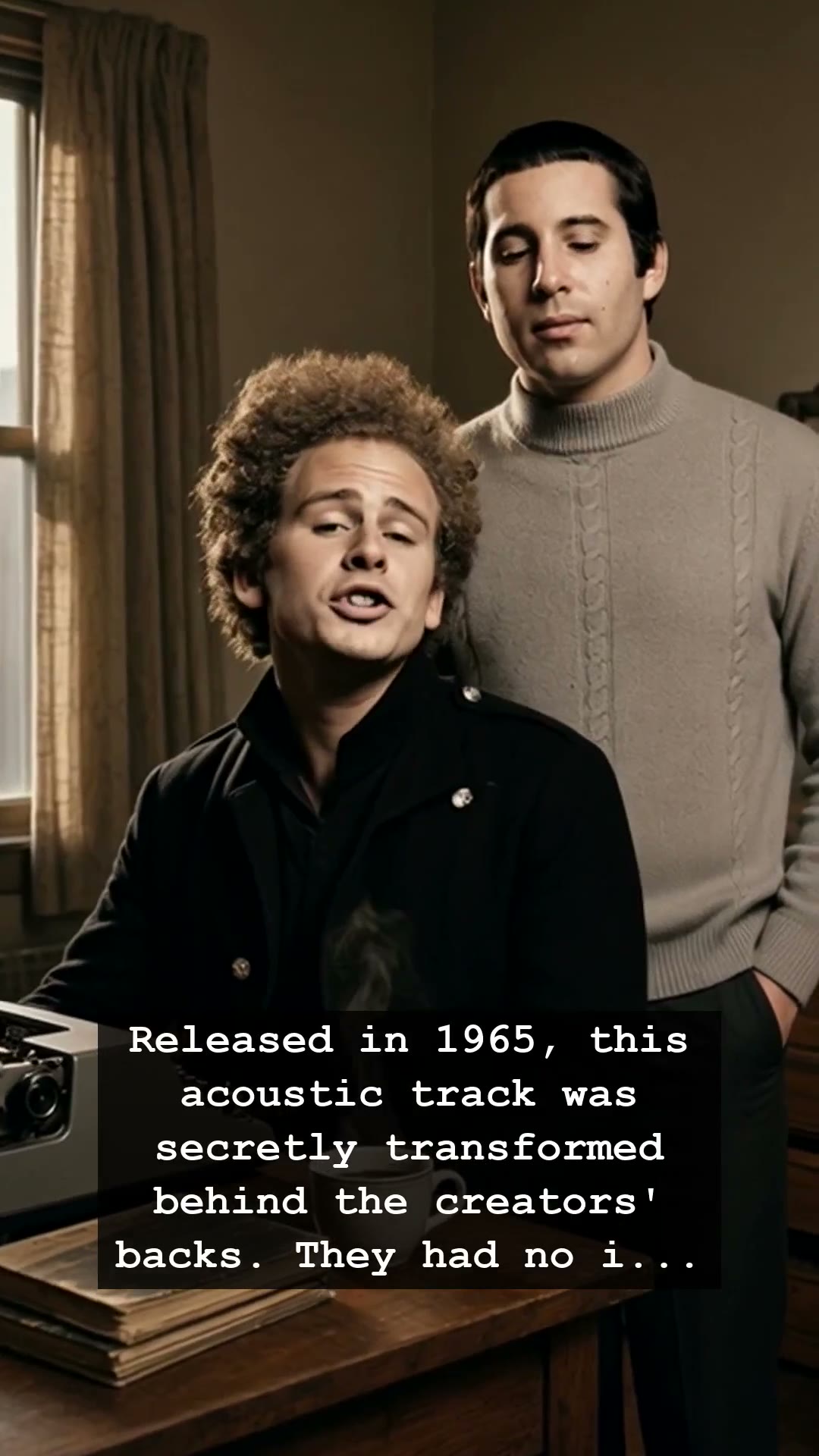
In 1965, a gentle folk ballad titled The Sound of Silence was sinking faster than a stone in a pond. For Paul Simon and Art Garfunkel, it was the bitter taste of a failed debut, a whisper in the bustling, transistor-radio-filled streets of New York that no one seemed to want to hear. They had poured their souls into those acoustic harmonies, believing the raw, unadorned human voice was enough. But in the mid-sixties, the world was changing rapidly; the innocence of the early decade was fraying at the edges, and the music industry was desperate for a louder, more electric pulse to capture the restless spirit of a generation about to boil over.
Behind the backs of the unsuspecting duo, a quiet revolution was unfolding in the Columbia Records studio. Without telling Simon and Garfunkel, a producer named Tom Wilson decided to take their stagnant, acoustic recording and hijack it. He secretly brought in a group of session musicians to layer the song with electric guitars, a bass line, and drums—the very instruments Paul Simon had intentionally avoided. It was a bold, arguably reckless gamble, a clandestine surgery performed on a piece of art that the creators deemed finished. When Simon and Garfunkel first heard the overdubbed version, they were reportedly horrified, fearing their intimate folk aesthetic had been tainted by the commercial glitz of pop radio.
Yet, the result was nothing short of miraculous. The electrifying heartbeat added to the track resonated with the American psyche in a way the original never could. It caught the wave of the folk-rock explosion just as it was cresting, turning The Sound of Silence into an accidental anthem for the disillusioned. The song shot to the top of the charts, catapulting Simon and Garfunkel from obscure folk singers into international superstars. That act of unauthorized genius had inadvertently rewritten the history of rock and roll, proving that sometimes, the most iconic moments in music are born from the friction between an artist’s intent and a producer’s daring vision.
This incident marked the beginning of a complex, often fraught partnership between the two. The sheer pressure of sudden fame, compounded by the constant struggle for creative control, would define the relationship that followed. They were two masters of the craft, constantly dancing on the edge of brilliance and total collapse. The studio became their sanctuary and their battlefield, a place where the magic of their harmonies was forged in the heat of creative tension. It was the era of the Jukebox, the vinyl record, and the slow, methodical process of capturing lightning in a bottle through analog tape.
Looking back, the story of Simon and Garfunkel remains a powerful reminder of how fragile, yet enduring, the path to greatness truly is. Their music, characterized by haunting melodies and poetic lyrics, continues to soundtrack the lives of those who remember the crackle of the needle hitting the groove. While the betrayal in that 1965 studio may have felt like an ending at the time, it was actually the spark that ignited a legacy that has refused to fade. We still find ourselves listening, searching for that perfect harmony, just as the ghosts of the sixties intended.