
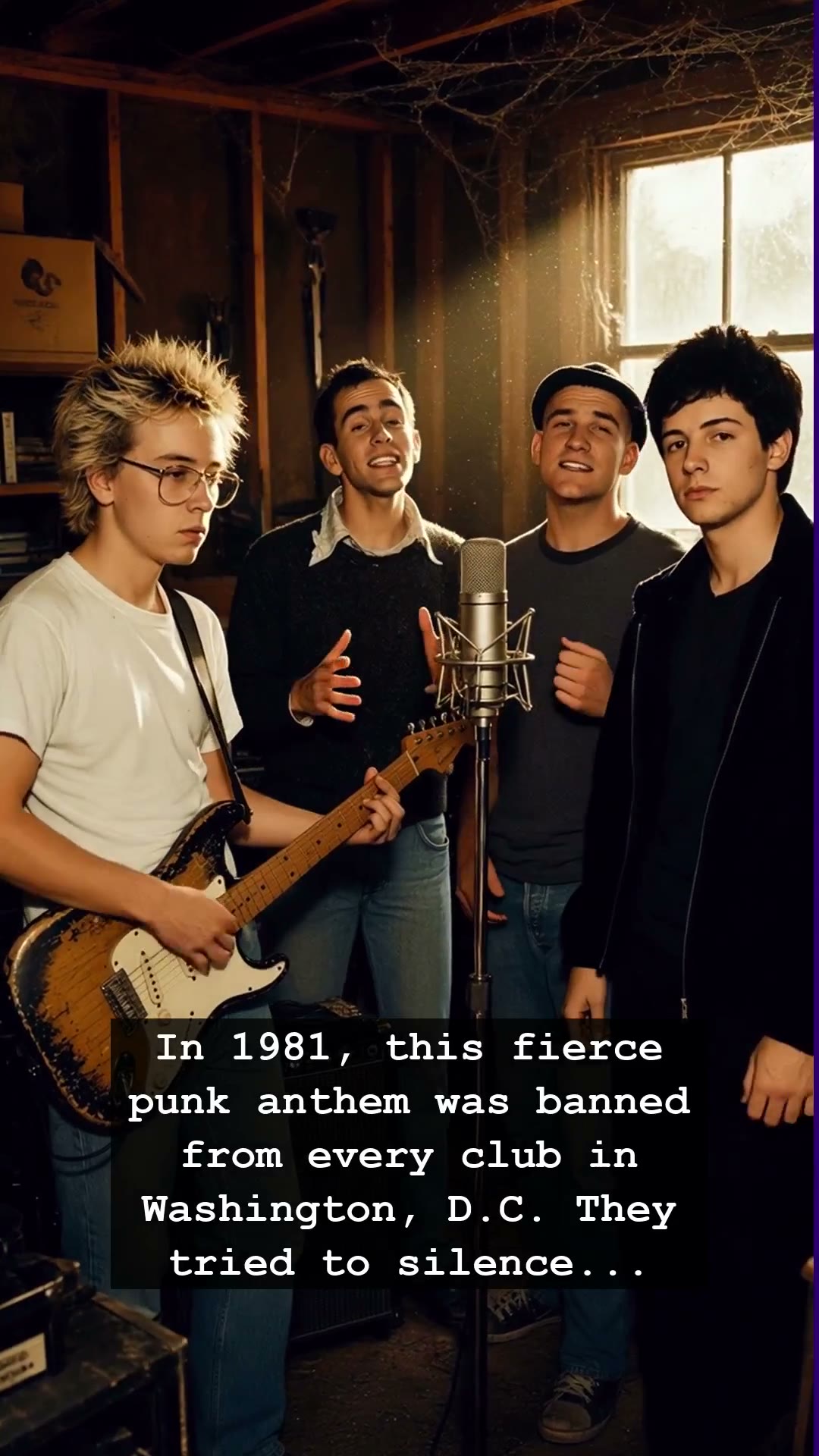
In 1981, the air in Washington, D.C. was thick with tension and the smell of stale beer in basement venues. It was a time when the punk scene was supposed to be a playground for rebellion, but local club owners were terrified by a new, visceral sound that refused to play by the rules. The group at the center of this storm was Minor Threat. Their music was not just noise; it was a fast-paced, high-octane confrontation that left authority figures scrambling to pull the plug. When the band hit the stage, the chaos was absolute, and the energy was so raw that they were eventually banned from every single club in their own hometown. It was an era where the Jukebox was dominated by polished radio pop, but Minor Threat chose to cut through the static with something far more dangerous.
To understand the fury behind the Minor Threat sound, you have to picture the landscape of the early eighties. This was a pre-MTV takeover, a time when subcultures flourished in dark, sweaty backrooms away from the prying eyes of corporate labels. Ian MacKaye and his bandmates weren’t interested in fame or record deals; they were interested in absolute sonic purity. Their tracks were brief, blistering shots of adrenaline that lasted less than two minutes, yet they carried more emotional weight than a ten-minute arena rock ballad. They represented the true spirit of D.C. hardcore—fast, straight-edged, and completely unapologetic. When club owners tried to silence them, they simply turned the volume up, turning their exclusion into a badge of honor that would inspire a generation of underground artists.
There is a specific, haunting detail to the Minor Threat legacy that resonates with anyone who lived through those years. It was the feeling that you were witnessing a transformation of music history in real-time. Whether it was the frantic tempo of their drumming or the serrated edges of the guitar feedback, there was an undeniable magnetism to their defiance. Despite being blacklisted from local venues, their message spread through cassette tapes traded in parking lots and word of mouth that traveled faster than any billboard could. They showed us that you don’t need a massive stage or a major label endorsement to leave a permanent scar on the face of music history. They were the ultimate outsiders who proved that the most powerful movements often start in the shadows.
The impact of that 1981 crackdown still ripples through our modern musical landscape. Decades later, the recordings of Minor Threat sound just as urgent and vital as they did when they were first captured on tape. They remain a testament to the idea that true art cannot be contained by those who fear it. When we look back at the history of American rock, the story of this band stands out as a gritty, honest reminder of what happens when you refuse to compromise your vision for the sake of mainstream acceptance. The clubs may have closed their doors to them, but history has opened its archives wide to keep their defiant spirit alive. Does the static of that era still ring in your ears today?