
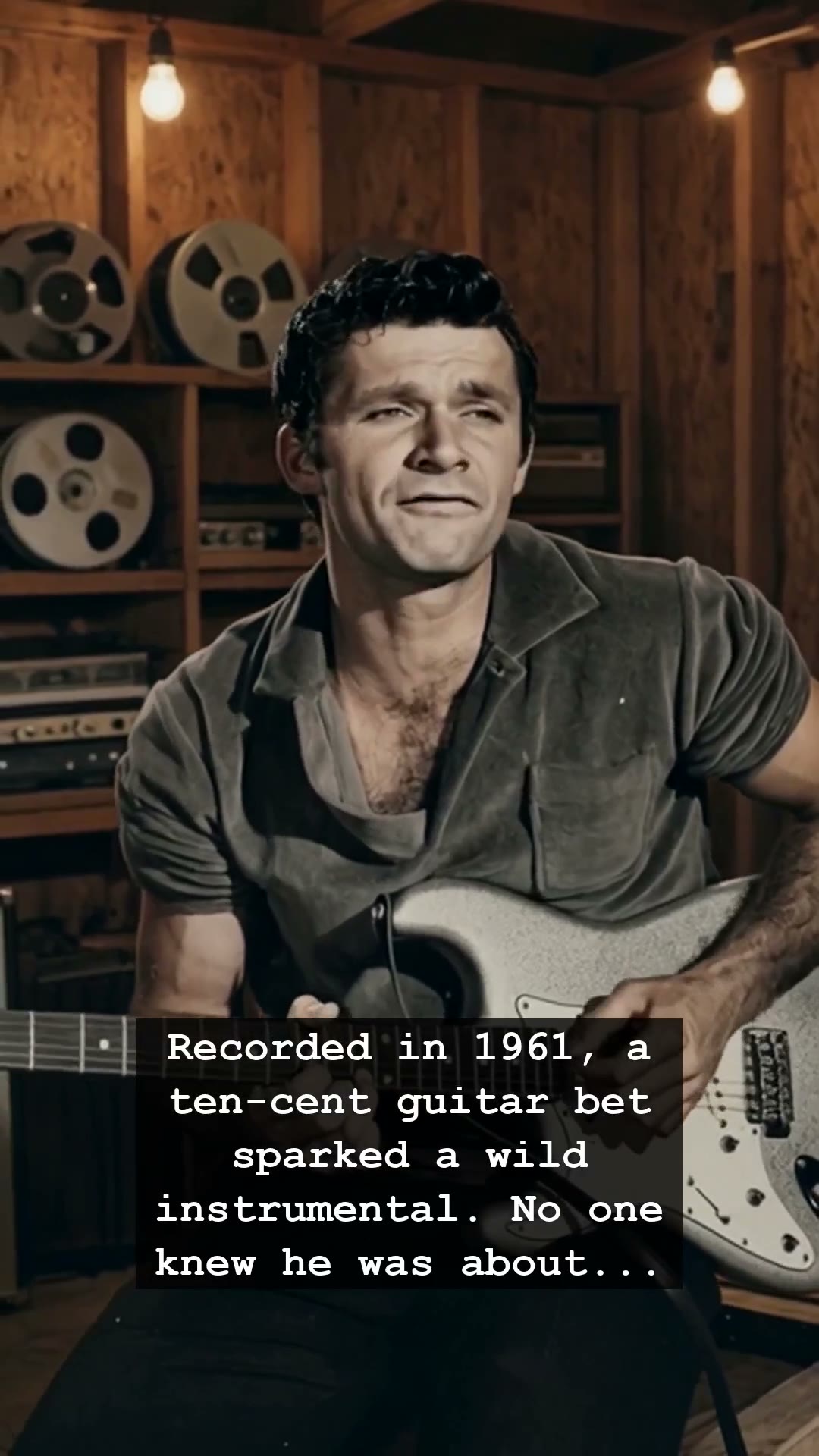
The year was 1961, and the air in Southern California was thick with the scent of sea salt and the promise of a changing cultural tide. Before the British Invasion took over, before the stadium anthems of the seventies, there was a man named Dick Dale standing on a precipice of musical history. It all began not in a high-tech recording studio, but with a simple, impulsive ten-cent bet. A friend challenged him regarding his ability to master a complex, rapid-fire melody on the guitar. Little did that friend know that this wager would ignite a creative explosion, birthing the thunderous, reverb-drenched sound of surf rock that would define a generation of beach culture and rebellion.
Dick Dale was no ordinary musician; he was an innovator who sought to translate the raw power of the ocean into sound. His signature style involved heavy gauge strings and a unique approach to the instrument that mimicked the crashing waves of the Pacific. By taking a traditional Mediterranean folk melody and injecting it with the aggressive, fast-paced staccato energy of his own vision, Dick Dale transformed the guitar into a living, breathing force of nature. This wasn’t just music; it was a sonic adrenaline rush that echoed through the coastal towns of California long before the world caught on.
To understand the magnitude of his impact, one must remember the atmosphere of the early sixties. While the charts were still filled with polished pop melodies, Dick Dale was pushing the limits of the Fender amplifier until it screamed. His live performances at the Rendezvous Ballroom were legendary, acting as a gathering ground for surfers who wanted a soundtrack as intense as the swells they rode. The heavy, dripping reverb became the heartbeat of surf rock, influencing countless artists who followed in his wake. He was the King of the Surf Guitar, an undisputed titan who turned a ten-cent dare into a permanent cultural legacy.
Behind the wall of sound, there was the man himself, a figure often misunderstood by those who only focused on the volume. The technical brilliance of Dick Dale went beyond just playing loud. He utilized his left-handed technique on a right-handed guitar flipped upside down, a testament to his sheer determination to capture the music he heard in his head. This authenticity is why his influence remains etched into the history of American rock. When you hear the opening notes of his most famous tracks, you aren’t just hearing a song; you are hearing the grit, the sweat, and the genius of a man who refused to follow the conventional path.
Today, the legacy of Dick Dale serves as a reminder of a time when music was discovered in local venues and backrooms rather than through algorithms. His contributions set the stage for everything from the psychedelic movements of the late sixties to the aggressive tones of later surf-influenced bands. The next time you find yourself lost in the reverb-drenched echoes of a classic instrumental, remember the ten-cent bet that started it all. Dick Dale may have left us, but the waves he set in motion continue to crash against the shore of our musical consciousness, forever immortalized in the history of rock and roll.