
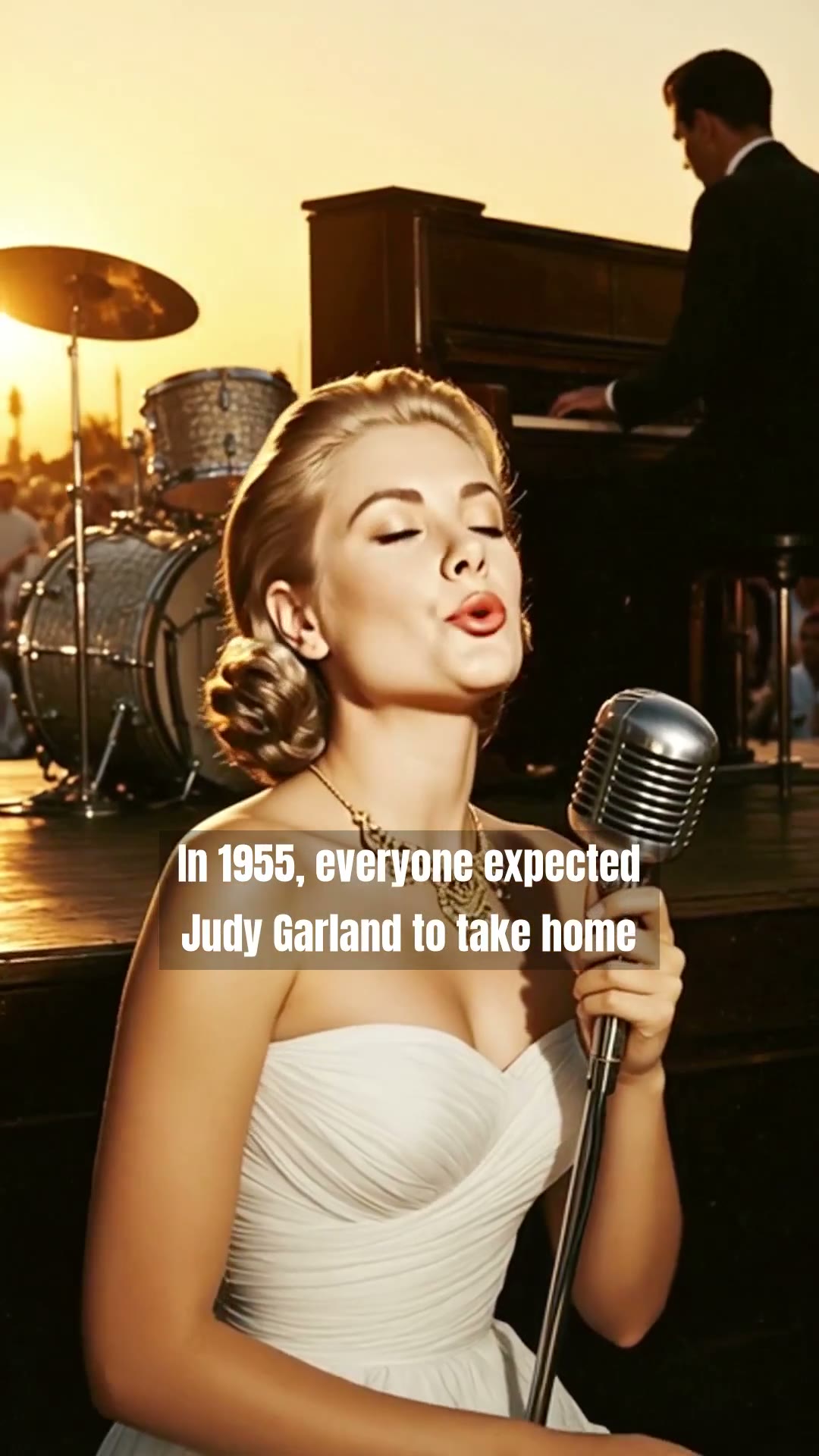
There is a specific, golden-hued magic to Hollywood in the 1950s that modern cinema often struggles to replicate. It was an era defined by the impeccable poise of the studio system, the crackle of a theater projector, and the undeniable magnetism of icons who walked the thin line between untouchable royalty and relatable human depth. Among these figures, Grace Kelly remains a testament to a fleeting, elegant time in our cultural history. While many remember her for the fairy-tale romance that eventually led her away from the silver screen, her greatest artistic achievement was perhaps the night she cemented her place in the pantheon of Method Acting legends, forever shifting the landscape of the Academy Awards.
The year was 1955, and the buzz surrounding the 27th Academy Awards was deafening. The favorite, by almost every industry prediction, was the incomparable Judy Garland for her powerhouse performance in A Star Is Born. It was widely considered a career-defining moment, a musical and dramatic triumph that seemed destined for the gold statuette. Yet, in a twist that left the audience at the Pantages Theatre breathless, the name called for Best Actress was not Garland, but the cool, composed Grace Kelly. She won for her raw, stripped-down performance in The Country Girl, a role where she traded her trademark glamour for the weary, somber reality of a woman supporting a husband struggling with addiction.
This upset was more than just a footnote in Oscar history; it was a profound testament to Grace Kelly as a serious actress rather than merely a fashion plate. In an industry that often prioritized the surface, Grace Kelly proved that vulnerability was the most powerful tool in her arsenal. By stepping away from the Hitchcockian icy-blonde archetype, she showcased a depth that startled her peers and critics alike. It was a victory for the subtle, quiet power of performance over the theatricality that had dominated the early Golden Age Hollywood era.
Looking back, this moment resonates because it captures the unpredictability and the high-stakes passion of mid-century cinema. The memory of that night brings us back to an age where the Oscars were a sacred, black-tie affair, marked by genuine tension and the authentic respect of one’s contemporaries. Watching the old footage of that ceremony, one can almost smell the hairspray and the perfume, and hear the rustle of silk gowns as Grace Kelly rose from her seat, a picture of classic grace meeting a moment of intense, modern professional triumph.
Today, as we look back at the landscape of 1950s cinema, Grace Kelly stands as a reminder that the most enduring stars were those who dared to defy expectations. Whether you recall watching her films on a flickering television set or discovering her magic through a dusty VHS tape in your collection, her presence remains a cornerstone of the American film legacy. She remains a symbol of an era where art was meticulously crafted and stardom was earned through an unwavering commitment to the craft of storytelling. May we always remember the elegance she brought to the screen and the grit she displayed on the night she made history.