
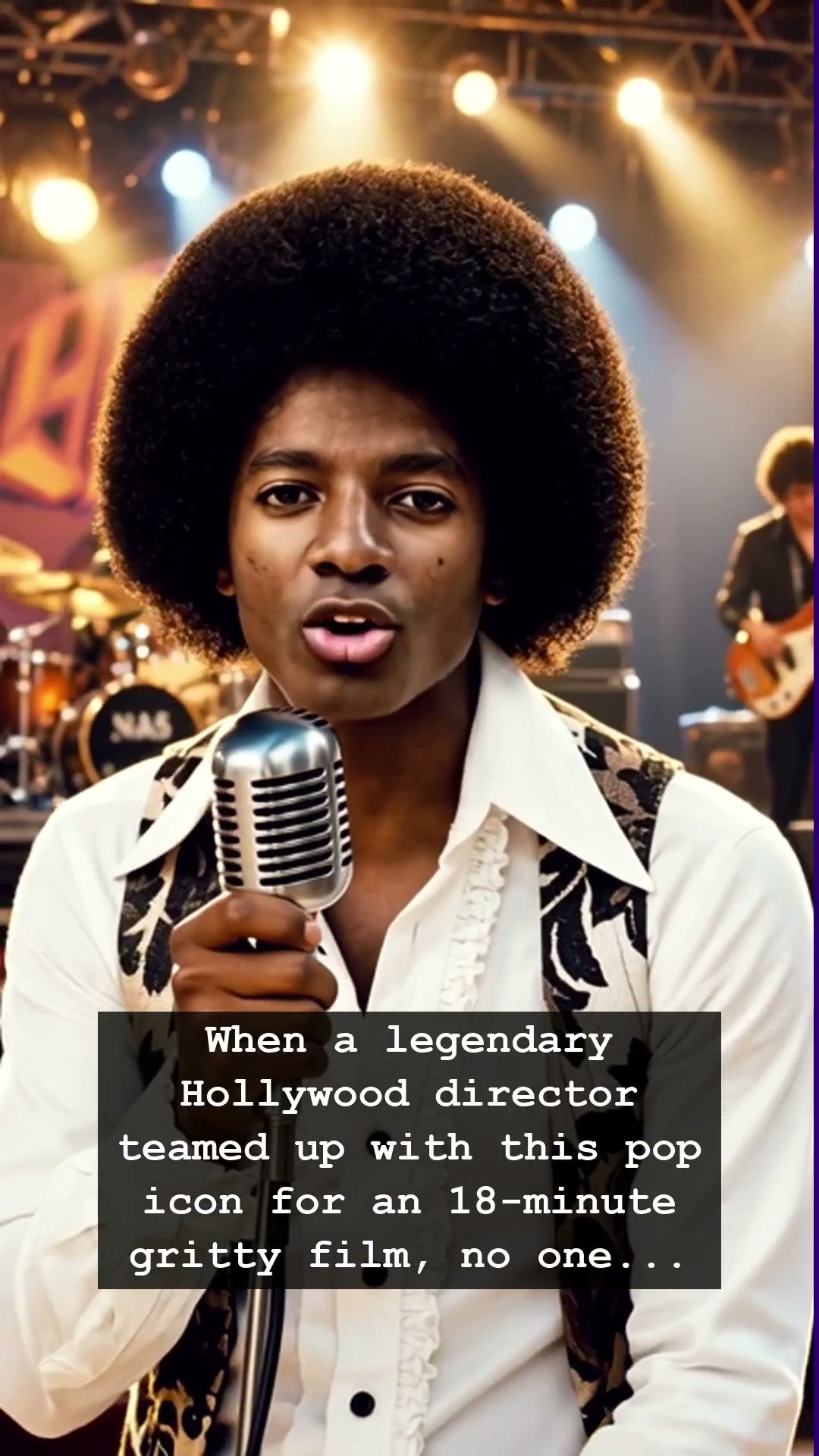
It was 1987, and the world was changing. The neon glow of Studio 54 was fading into the rearview mirror, replaced by the crisp, digital pulse of the MTV era. Michael Jackson, already the undisputed King of Pop, faced an impossible challenge: how do you follow up the earth-shattering success of Thriller? The answer arrived not just as a catchy radio hook, but as an eighteen-minute cinematic gut punch that dared to drag the squeaky-clean pop icon into the shadows of the urban jungle. When Michael Jackson teamed up with legendary filmmaker Martin Scorsese, the music industry braced itself, but nobody was truly prepared for the raw, visceral reality of the Bad short film.
At the time, the airwaves were dominated by synth-pop and polished ballads, but Michael Jackson had a different vision. He wanted grit. He wanted to shed the velvet-gloved image and confront the streets head-on. By casting a young, brooding Wesley Snipes as his foil, Jackson turned a simple music video into a gritty narrative about brotherhood, betrayal, and the crushing pressure of inner-city life. The collaboration between a pop visionary and a director known for Taxi Driver was an audacious collision of worlds that left critics stunned and fans mesmerized.
The production was a logistical mountain to climb. Filmed in the Brooklyn subway system, the project captured a version of New York City that felt dangerous, vibrant, and unflinchingly real. For the audience, watching Michael Jackson trade his signature sparkle for a leather-clad, tough-guy persona was a jarring, thrilling pivot. The choreography was no longer about gliding effortlessly across a stage; it was about stomping the pavement and asserting dominance in a concrete arena. It was a bold declaration that the King of Pop could inhabit any landscape, even the darkest corners of the metropolitan landscape.
Beyond the catchy synthesizers and the revolutionary fashion, the story behind Bad is one of immense artistic tension. There were rumors of clashes between Jackson’s pop sensibilities and Scorsese’s cinematic realism, yet that friction is exactly what makes the final result vibrate with such intensity. It was the era of the Walkman, where teenagers everywhere were rewinding their cassettes just to catch every nuance of the production. For those who lived through the eighties, this wasn’t just a song; it was a cultural touchstone that proved pop music could be as intellectually and visually demanding as any Hollywood blockbuster.
Looking back, the impact of this collaboration remains staggering. Michael Jackson redefined what a music video could be, shifting the medium from promotional filler to high-stakes art. Even decades later, when those opening chords hit, you are instantly transported back to that leather-jacketed, street-tough energy. It stands as a testament to an artist who was never content to stay in one lane. So, take a moment to hit play and let the nostalgia wash over you; the streets are still calling, just as loud as they did back then.