
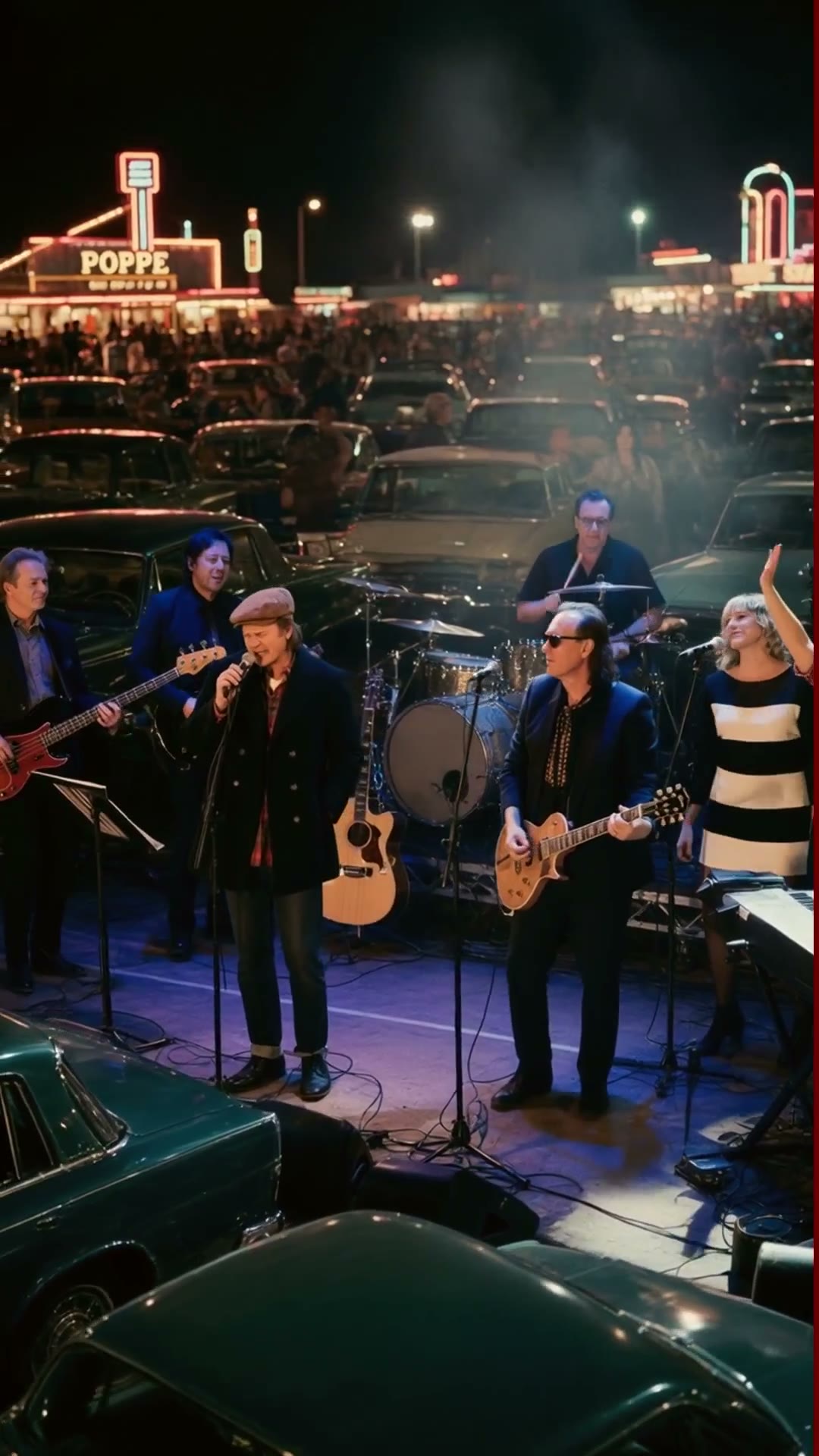
In the mid-1960s, the world was spinning in the glow of the British Invasion, and The Kinks were at the very heart of the storm. Yet, while fans were dancing in the streets of London, the band was trapped in a suffocating nightmare behind the scenes. Between predatory management, legal battles that froze their royalties, and a staggering 95 percent tax rate imposed by the British government on high earners, Ray Davies and his bandmates found themselves staring into a financial abyss. It is often said that art is born from suffering, but for The Kinks, it was born from the cold, hard reality of being stripped of their livelihood by the very system that claimed to celebrate their success.
Most bands would have shattered under the weight of such exploitation, but The Kinks were cut from a different cloth. Instead of retreating into silence, Ray Davies funneled his resentment, frustration, and sharp-witted observations of British life into a sonic manifesto. This wasn’t just pop music anymore; it was a scathing, satirical take on the class system and the hollowness of fame. As they navigated a turbulent era defined by the rise of the jukebox and the grit of underground London clubs, they channeled their internal turmoil into their most enduring work, proving that true genius thrives when the stakes are at their absolute breaking point.
This era birthed songs that were deeply etched with the pain of personal betrayal. The Kinks became masters of the bittersweet melody, masking their anger with jangly, infectious guitar hooks that echoed through the transistor radios of the working class. Their struggle became a mirror for anyone who felt the squeeze of the era, turning their financial ruin into a brilliant, sarcastic masterpiece that defied the polished veneer of the mainstream charts. The irony was not lost on their listeners; as the band struggled to keep their own bank accounts afloat, their records were selling in the millions.
Looking back, the story of The Kinks during this period serves as a haunting reminder of the dark side of the music industry. It was a time when legendary artists were often treated as disposable commodities, and the line between legendary creative success and utter financial ruin was razor-thin. Their survival is a testament to the resilience of the human spirit, showing how raw, unfiltered emotion can be transformed into a cultural artifact that resonates long after the initial scandal has faded into history.
Decades later, the legacy of The Kinks remains untarnished by the legal wars of their youth. Whether you remember hearing them on a scratchy vinyl record or spinning their tracks in your living room, there is an undeniable, timeless quality to their defiance. They didn’t just survive the taxman and the sharks of the industry; they wrote the soundtrack to their own survival. Next time you find yourself listening to their iconic tracks, listen closer to the lyrics—you might just hear the sound of a band winning a war that the world assumed had already finished them off.