
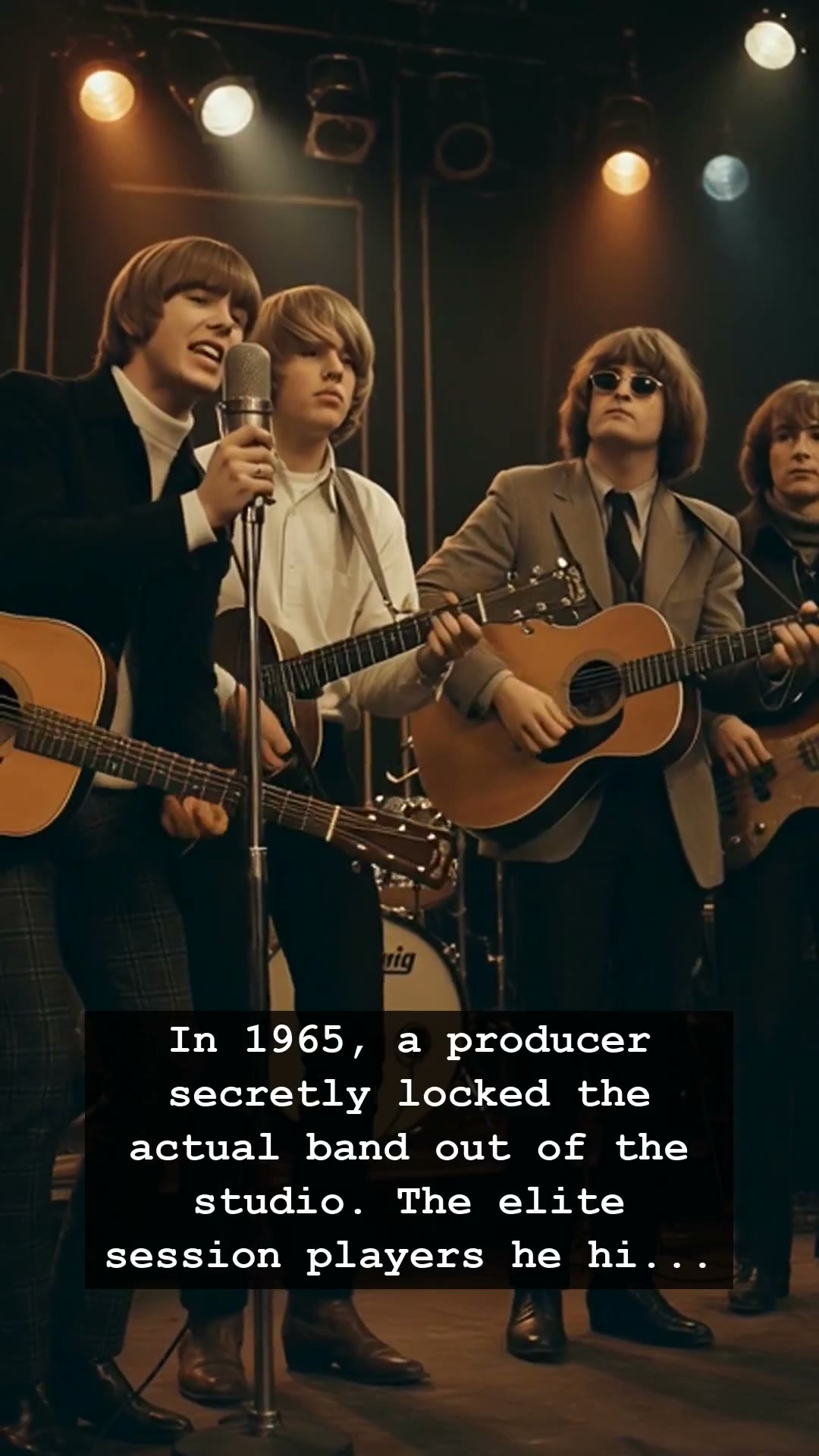
Imagine it is 1965. The air in Los Angeles is thick with the scent of jasmine and the electric anticipation of a changing world. A young band called The Byrds is standing at the edge of stardom, clutching their instruments and waiting for their big break. They were raw, talented, and determined to capture the folk-rock sound echoing in their heads. Yet, behind the soundproof glass of a Columbia Records studio, their own producer, Terry Melcher, was orchestrating a quiet, ruthless act of deception that would become one of rock history’s most famous betrayals. He did not think the band was quite ready, so he locked the members out and brought in the elite Wrecking Crew session players instead.
When Roger McGuinn, David Crosby, and the other members of The Byrds realized they had been sidelined on their own debut recording, the studio erupted in private fury. They felt the sting of exclusion, a classic tale of industry distrust that has haunted many legends since the days of the jukebox. But as the Wrecking Crew laid down the tracks for the iconic version of Bob Dylan’s Mr. Tambourine Man, something miraculous occurred. The shimmering, jangling twelve-string Rickenbacker sound caught on tape that night was not just a substitute; it was the spark of a musical revolution. The session musicians inadvertently crystallized the very sound the band had been chasing, creating a masterpiece that would dominate the airwaves and top the charts.
This incident remains a bittersweet footnote in the legacy of The Byrds. While it is a story of heartbreak and ego, it is also a testament to the serendipity of the golden age of American music. The track soared, defining the mid-sixties with its ethereal harmonies and crisp, electric folk sensibilities. It became the anthem of a generation that was moving away from the innocent pop of the early fifties toward a more introspective, psychedelic future. To the listeners sitting in their living rooms with their radios, it was pure magic; to the members of The Byrds, it was a painful lesson in the fickle nature of the music business.
Looking back from our modern era, this moment captures the essential tension of the 1965 music scene. It was a time when the gap between the raw energy of underground bands and the polished expectations of major labels created friction that sparked innovation. Even as the band members eventually proved their worth and reclaimed their sound on subsequent albums, that first betrayal left a permanent mark on their mythos. It reminds us that behind every polished hit record, there are human lives, broken promises, and the desperate, often messy struggle for artistic legitimacy.
Decades later, when that familiar, jangling guitar intro hits the airwaves, we are instantly transported back to that smoky studio. The Byrds would go on to shape the future of country-rock and psychedelic textures, but their origin remains a vivid reminder of the chaotic alchemy that made the era so legendary. Do you remember the first time those harmonies hit your ears? Whether it was through a crackling vinyl or a high-fidelity speaker, the impact remains timeless. Music history is filled with such shadows, but few stories capture the brilliance born of resentment quite like the rise of The Byrds.