
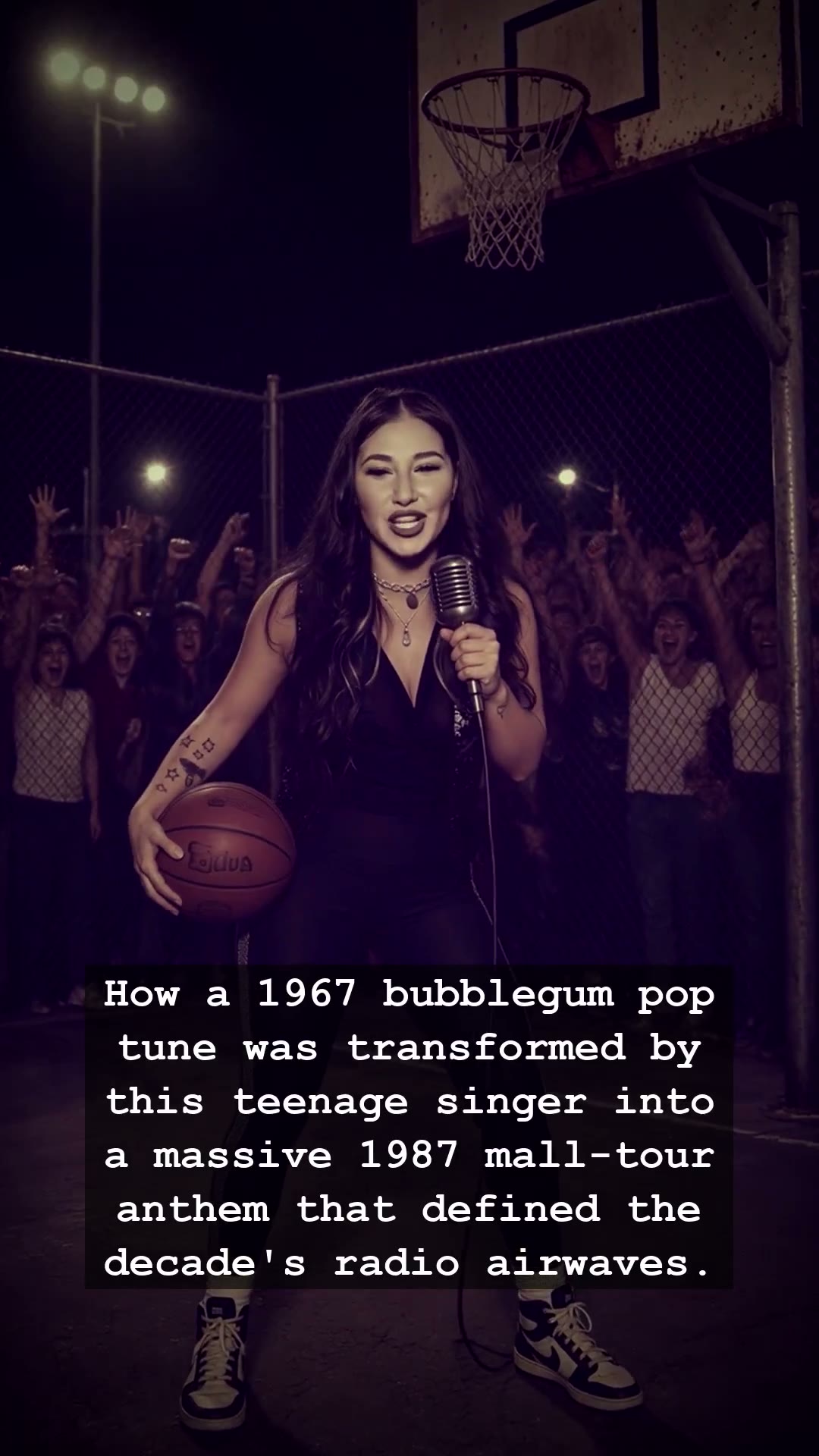
It started as a fading memory from a different era, a bubblegum pop relic from 1967 that most people had long forgotten. But in 1987, a teenage girl with a powerful voice and a rebellious spirit dragged that obscure track into the neon-soaked light of the MTV generation. Before the internet turned viral sensations into overnight ghosts, there was Tiffany. She didn’t rely on massive stadium tours or radio gatekeepers at first; she took her music directly to the teenagers, setting up shop in the food courts of America’s shopping malls. It was a marketing masterstroke that transformed a dusty 1967 cover into a generational anthem, forever changing the way pop music reached the masses.
The song was I Think We’re Alone Now, originally recorded by Tommy James and the Shondells. While the original possessed that classic, wide-eyed 60s charm, Tiffany injected it with a punchy, ringing synth-pop energy that felt tailor-made for the Walkman-toting youth of the late eighties. When her version hit the airwaves, it didn’t just climb the charts; it dominated them. It was a rare moment where the past and present collided in perfect harmony. You could walk into any suburban mall in the country and hear that unmistakable hook echoing off the tiled floors, serving as the unofficial soundtrack for a generation obsessed with hairspray, denim jackets, and the burgeoning power of pop culture.
Yet, the true story of Tiffany wasn’t just about the chart-topping success or the screeching crowds at the mall. It was the grit of a sixteen-year-old girl navigating the high-stakes pressure of sudden fame. While her peers were worried about midterms, Tiffany was performing in unconventional venues, dodging the glitz of typical celebrity circuits to meet her fans where they actually lived. It was exhausting, raw, and entirely authentic. This grassroots approach—this mall tour phenomenon—broke the traditional mold of the music industry. It proved that you didn’t need a high-budget music video to capture the public imagination; you just needed a catchy beat and a connection that felt personal to every fan in the front row.
Looking back, Tiffany represents a specific, glowing moment in musical history. She stood at the crossroads of the classic radio era and the looming digital shift, capturing a vibe that still resonates with anyone who remembers the crackle of a cassette tape. Her rise reminds us that great music is often found in the most unexpected places, waiting for the right voice to breathe new life into it. That 1967 tune might have been destined for obscurity, but Tiffany made it immortal.
Whether you were there in the crowd, screaming until you lost your voice, or you heard it for the first time on a local station, the magic of that era is undeniable. Tiffany remains a symbol of an age when music felt like a shared secret among friends. She turned a simple song into a massive movement, ensuring that the legacy of 1987 would be etched into our collective memory forever. Does that synth-heavy chorus still take you back to the mall, or is it just the ghost of a decade that refused to be forgotten?