
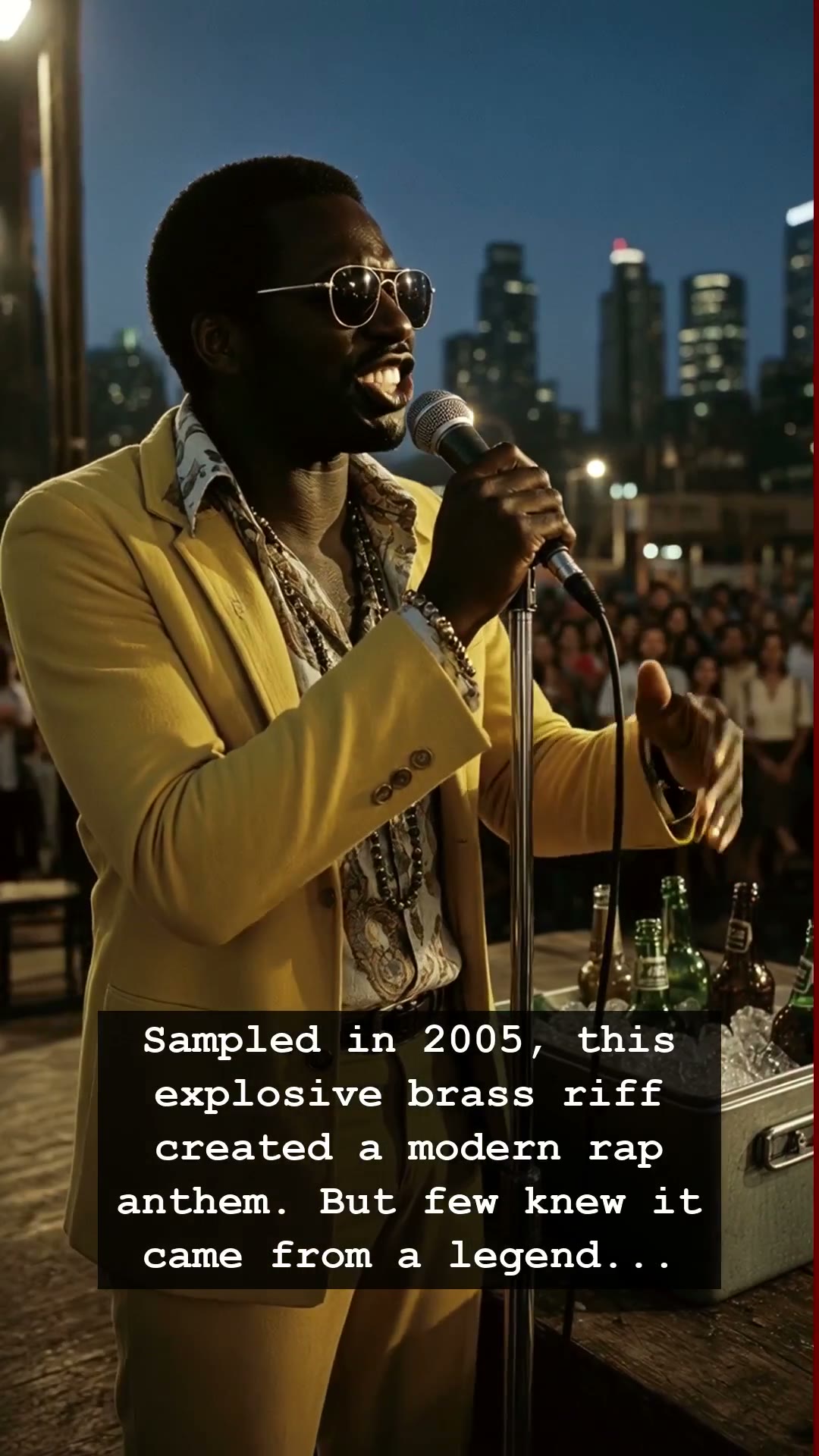
It is a sound that defined an entire era of hip-hop, yet its true origin lies in the dust-covered vinyl crates of the early 1970s. When that explosive, jagged brass riff first pierced through the speakers in 2005, it felt like a modern revelation. Producers had sped it up, chopped it, and flipped it to create a chart-topping anthem, unknowingly breathing new life into a forgotten masterpiece. Most listeners today have no idea that the heartbeat of that modern track belongs to the legendary Curtis Mayfield, a man whose musical genius was only matched by his profound resilience in the face of unimaginable tragedy.
To understand the soul behind that sound, we must travel back to a time of social upheaval and sonic innovation. Curtis Mayfield was more than just a musician; he was the conscience of the soul movement. While the disco era glittered under the lights of Studio 54, Mayfield was deep in the studio, crafting complex, funk-infused soundscapes that addressed the harsh realities of urban life. His work during the 1970s served as a bridge between the gospel-drenched melodies of the 60s and the hard-hitting rhythms of the burgeoning funk scene. He understood that a song could be a mirror, reflecting both the struggle and the resilience of a generation.
Yet, the story of Curtis Mayfield is colored by a dark, lingering irony. The very man who provided the triumphant brass sections that would later empower rap icons was destined to face his own sudden silence. In 1990, during a freak stage accident at a concert in Brooklyn, a lighting rig collapsed, paralyzing the legend from the neck down. It is a harrowing reminder of the fragility of fame and the capricious nature of destiny. Despite his inability to walk or play his beloved guitar, he returned to the studio, recording his final album by whispering lyrics line by line into a microphone, proving that his artistic spirit was utterly unbreakable.
When we hear those sampled horns today, we aren’t just hearing a clever production trick; we are hearing the echo of a man who refused to let his life be defined by his limitations. The sampling culture of the 2000s acted as a historical reclamation, bringing Curtis Mayfield into the lives of a younger generation that had never stepped into a 1970s record shop. It was a bridge across decades, linking the grit of the inner city with the global reach of modern radio.
Music history is often a series of unintended consequences, but some connections feel destined. Curtis Mayfield once famously sang about moving on up, and in a way, his music never stopped moving. It transcended the era of the Jukebox and the Walkman, finding its home in the digital age. Next time that familiar, brass-heavy beat hits your ears, take a moment to listen past the modern rhythm. You are hearing the immortal echo of a soul titan, forever immortalized in the DNA of contemporary music.