
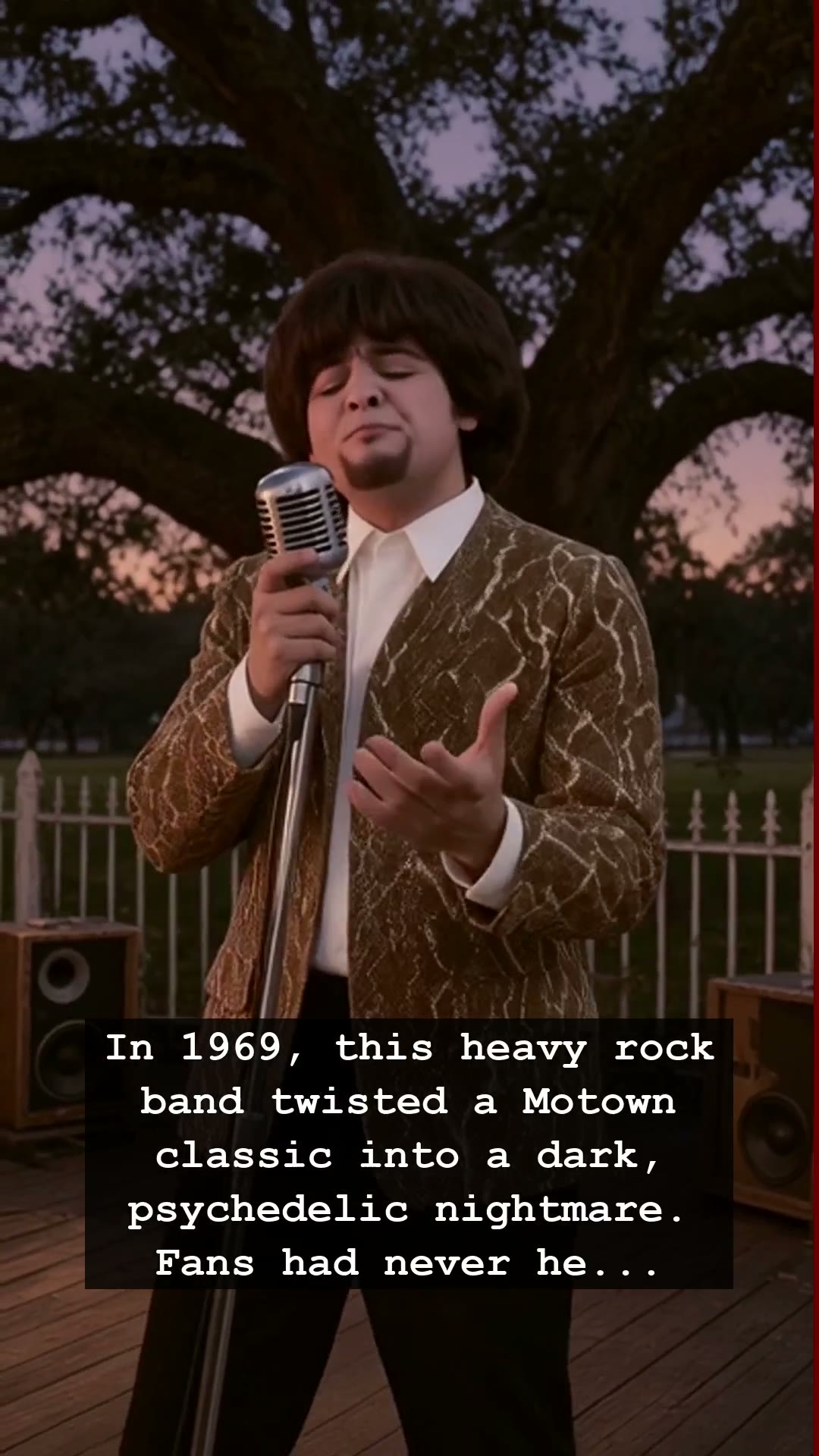
It was 1969, a year defined by the flickering glow of television sets and the lingering, psychedelic haze of a cultural revolution. In the smoke-filled clubs where the elite mingled and the dreamers faded, a sound emerged that defied the upbeat optimism of the Motown era. Vanilla Fudge, a band that operated in the shadows of the mainstream, took the Supremes’ sugary soul staple, You Keep Me Hanging On, and shattered it. They didn’t just cover the song; they performed a sonic exorcism, slowing the tempo to a crawl and drenching the melody in organ-heavy dread that felt more like a fever dream than a radio hit.
For audiences accustomed to the snappy, danceable beats pouring out of every Jukebox in America, the Vanilla Fudge rendition was nothing short of shocking. It was heavy, it was ominous, and it was undeniably hypnotic. Mark Stein’s Hammond organ wailed like a ghost trapped in the rafters, while the rhythm section hammered out a plodding, existential weight that felt miles away from the original’s innocence. Fans were left dazed, staring at the stage as if they had just witnessed a transformation that turned a pop anthem into a psychological thriller. This was the birth of a darker, more experimental side of rock that paved the way for the heavier sounds to come.
To understand the impact of Vanilla Fudge, one must look at the landscape of the late sixties. While the world was watching the kaleidoscopic colors of Woodstock or the rise of Arena Rock, this band chose to dwell in the murky depths of musical intensity. They were the bridge between the refined soul of the early decade and the burgeoning heaviness of the seventies. Their willingness to dismantle a beloved classic was a bold, controversial act of artistic rebellion. It wasn’t just about the music; it was about the tension, the theatrical delivery, and the visceral reaction they elicited from a crowd that had never been challenged in such a confrontational way.
Behind the scenes, the pressure of touring and the grueling demands of the recording studio created a pressure cooker for the members of Vanilla Fudge. The fame that came with their sudden chart success was as overwhelming as it was intoxicating. Beneath the glamor, the band struggled with the weight of being pioneers in a sound that the establishment wasn’t quite ready to categorize. They were too psychedelic for the purists and too heavy for the pop fans, leaving them in a creative limbo that only fueled the intensity of their live performances. Every concert became a high-stakes standoff between the performers and the audience, where silence was as powerful as the noise.
Even today, the legacy of that haunting transformation resonates with those who cherish the raw, unpolished corners of rock history. Whenever that iconic, plodding organ line begins to swell, it serves as a reminder of a time when musicians were not afraid to reach into the dark to find something profound. Vanilla Fudge taught us that music does not always have to be a reflection of light; sometimes, the most enduring art is born from the shadows. As we look back on the era of the Walkman and the shift toward the heavy, we are reminded that some songs are best remembered not as they were written, but as they were reborn in the hands of the bold.