
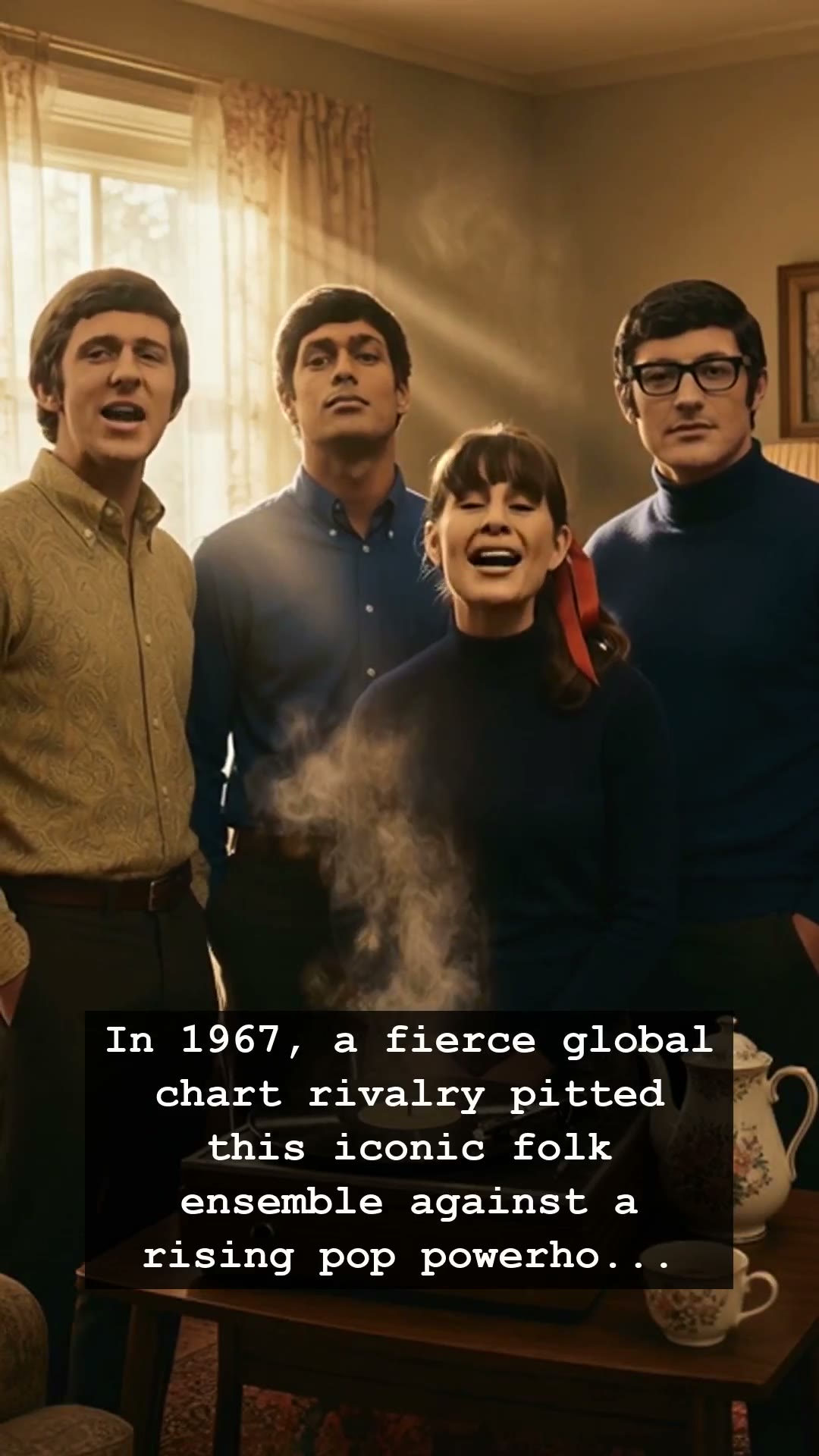
It was 1967, a year defined by the shifting cultural tides of the Summer of Love and the neon hum of the emerging global pop scene. Across the airwaves, a silent, fierce battle was brewing between two distinct musical philosophies. On one side stood The Seekers, the Australian folk-pop ensemble whose polished, crystalline harmonies had charmed the world with songs like Georgy Girl. On the other, a rising powerhouse from the same roots—the Bee Gees—who were hungry to tear down the folk barricades and replace them with a complex, symphonic brand of pop that would eventually define an entire decade. Fans at the time were caught in the middle, unaware that these two groups were on a collision course that would forever change the trajectory of modern music.
As the needle dropped on jukeboxes in smoky diners and cozy living rooms, the contrast was stark. The Seekers represented the golden era of folk, a clean, earnest sound that felt like a warm embrace from a simpler time. Yet, as the year rolled on, the Bee Gees began their aggressive ascent. The Brothers Gibb brought an intensity and a dark, melodic edge that signaled the end of the soft-folk dominance. It was a clash of eras: the last stand of the acoustic storytelling tradition versus the impending explosion of the pop-rock spectacle. The chart rivalry was not merely a contest of sales, but a cultural shift toward a more produced, studio-centric sound that would soon dominate the airwaves through the legendary studio sessions of the late sixties.
Behind the scenes, the pressure was immense. While The Seekers were reaching the apex of their international fame, they were becoming weary of the relentless grind that defined the music business of the era. The Bee Gees, conversely, were young, ambitious, and hungry, constantly testing the boundaries of what a vocal group could achieve. The friction between these two camps captured the spirit of a world that was moving faster than ever. As the Bee Gees climbed higher, the cracks in the industry’s old guard widened. It was a dramatic transition that saw the gentle strumming of the early sixties give way to the sophisticated, haunting arrangements that became the Bee Gees signature.
Today, looking back through the lens of nostalgia, we realize that 1967 was the pivot point. The Seekers eventually took a path toward graceful legacy, maintaining their integrity as masters of vocal harmony, while the Bee Gees embarked on a wild, multi-decade evolution that touched every corner of music, from psychedelic pop to the glitter-drenched disco era. The rivalry might have been short-lived, but the impact was permanent. It reminds us of a time when the radio was our only bridge to the world, and every chart position held the weight of history.
Why does this story still resonate? Because it captures the bittersweet reality of artistic evolution. We often wonder what would have happened if the momentum had stayed with the folk icons. Yet, we celebrate the Bee Gees for their sheer audacity to reinvent themselves time and again. Both acts played their part in building the soundtrack of our lives, leaving behind a rich legacy that still echoes in the halls of classic music. As the record spins one last time, let us toast to the legends who defined our youth, and to the eternal beauty of a song that never truly fades.