
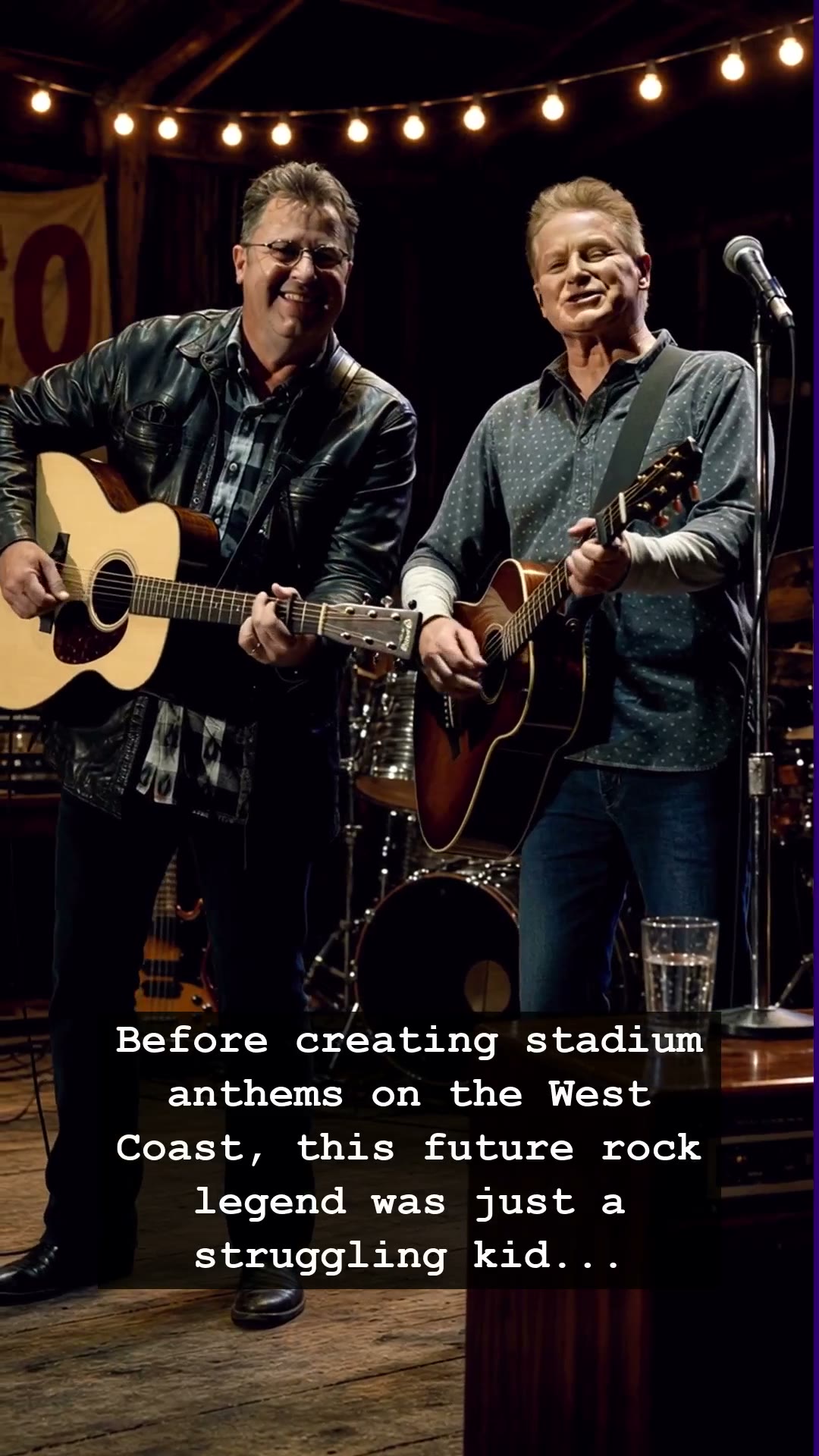
The year was 1968, and the air in Detroit was thick with the industrial hum of motor factories and the raw, electric promise of garage rock. Long before the polished California harmonies of The Eagles took over the FM airwaves and turned stadium arenas into cathedrals of sound, Glenn Frey was just another starving artist with a guitar and a dream. In the grimy, smoke-filled basements of the Midwest, he found an unexpected mentor in a local powerhouse named Bob Seger. It was a fleeting, pivotal collision of spirits that would eventually help define the very landscape of American classic rock.
At the time, Bob Seger was already carving out a name for himself in the Detroit scene with his raspy, soul-drenched urgency. He saw something in the young, ambitious Glenn Frey—a sharp wit and a restless musical ear. This wasn’t just a casual friendship; it was a mentorship forged in the crucible of late-night jam sessions and the desperate pursuit of a record deal. Seger took Frey under his wing, helping him hone his songwriting skills and encouraging him to capture the blue-collar grit that would later surface in the most iconic hits of the era. The two spent hours dissecting chords and lyrics, unknowingly laying the groundwork for a career that would span decades.
While the world later knew Bob Seger for his anthemic, heartland rock staples and Glenn Frey for the sophisticated, sun-drenched storytelling of the West Coast, their early days in Michigan were starkly different. This was the era of the Jukebox, where every single was a battlefield and a ticket out of obscurity. Frey would later recount how deeply those early interactions with Seger influenced his approach to melody and narrative. When Frey eventually headed West, he carried that Detroit work ethic with him, a ghost of the Motor City residing inside the polished production of tracks like Take It Easy.
The magic of this bond lies in how it bridged two distinct worlds. Bob Seger represented the rugged, working-class soul of the Midwest, while the sound Glenn Frey helped cultivate became synonymous with the breezy, existential cool of California. Yet, the DNA of their collaborative spirit remained present, proving that the roots of stadium rock were planted in the humblest of hometown garages. It is a testament to the idea that legends are not born in the spotlight; they are crafted in the shadows, nurtured by peers who challenge them to be better before the world ever knows their names.
Looking back, the story of Glenn Frey and Bob Seger serves as a poignant reminder of rock and roll’s interconnected history. It reminds us that behind every massive hit, there is a human connection that sparked the flame. Even as the decades have passed and the industry shifted from vinyl to the digital age, the echoes of their early Detroit sessions still resonate, reminding us that every icon was once a struggling kid with nothing but a guitar and a friend.