
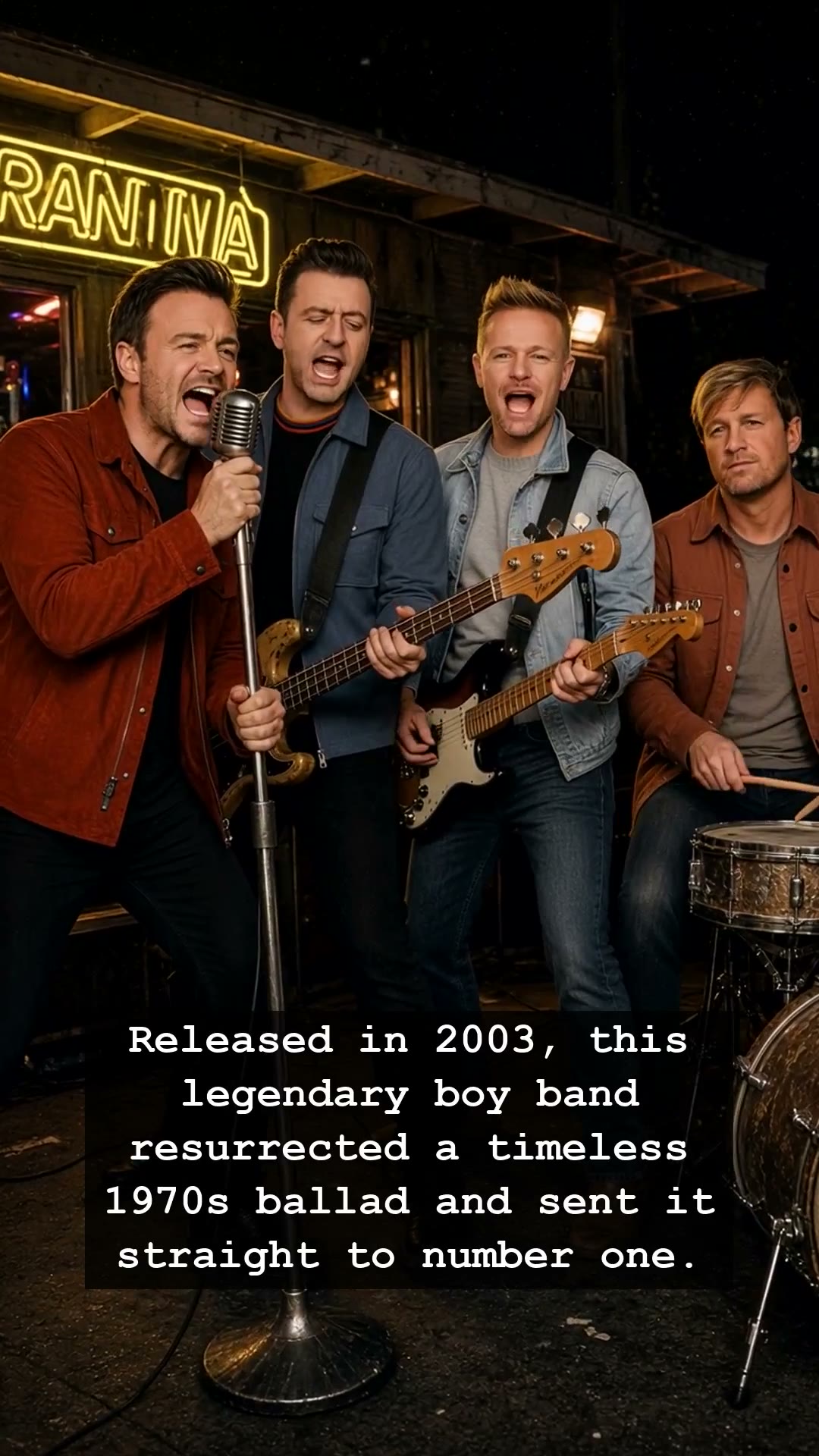
It was 2003, a time when the world was shifting from the tactile charm of the Walkman to the sleek, digital promise of the early iPod. In the midst of this transition, a boy band known for their impeccable vocal blend decided to reach back into the archives of the 1970s. Westlife, already masters of the emotional ballad, took a risk that could have easily felt like a cheap imitation. Instead, they took the Barry Manilow classic Mandy and transformed it into a soaring, contemporary masterpiece that defied the cynicism of the new millennium. For a fleeting moment, the neon lights of Studio 54 and the heartbreak of the disco era collided with the polished pop perfection of the early 2000s.
The original version of Mandy, released in 1974, was a desperate, piano-driven plea that defined the singer-songwriter era of the decade. When Westlife stepped into the recording booth, they weren’t just covering a song; they were attempting to bottle the same lightning that had made the track a cultural touchstone decades prior. It was a bold move for a group that had carved their identity out of harmony-heavy pop. Yet, as the soaring bridge hit and those signature, pristine vocals took flight, it became clear that this was not a desperate reach for relevance. It was a masterclass in musical preservation, bridging the gap between generations who grew up with AM radio and those discovering the magic of a power ballad for the first time.
Behind the scenes, the pressure was immense. Westlife had built their career on an unrelenting schedule of press tours and stadium anthems, but recording such an iconic, vulnerable piece of music required a different kind of performance. There is a distinct, melancholic drama in how they approached the lyrics, stripping away the campy edges of the original to reveal the raw, aching heart buried underneath. During the sessions, the producers focused on capturing that atmospheric, arena-ready sound that had become the band’s hallmark. Every note felt like a tribute to the songwriters who had defined the golden age of American pop, ensuring the track felt as grand as the legendary performances once broadcast on MTV.
The impact was immediate. When the song hit the airwaves, it didn’t just climb the charts; it dominated them, proving that a truly great song has no expiration date. It was a rare moment where the nostalgia of the past didn’t just linger—it thrived. For those who remembered the original release in the 70s, it was a bittersweet echo of their youth. For the younger fans, it was an introduction to the profound emotional weight that pop music was capable of carrying. It remains a testament to the fact that when music is stripped of its production layers, all that truly matters is the story being told.
Today, we look back at that 2003 revival as a defining peak in Westlife’s career. It serves as a reminder of how the lineage of pop music is a continuous, breathing entity. Whether you first heard the haunting melody on a scratchy vinyl record or through the polished production of a modern CD, the song persists. It invites us to pause, look back at the decades that shaped our musical landscape, and appreciate the artists who keep those old flames burning. Do you remember the first time those opening chords caught your ear, or is it a melody that has simply always been part of your life’s soundtrack?