
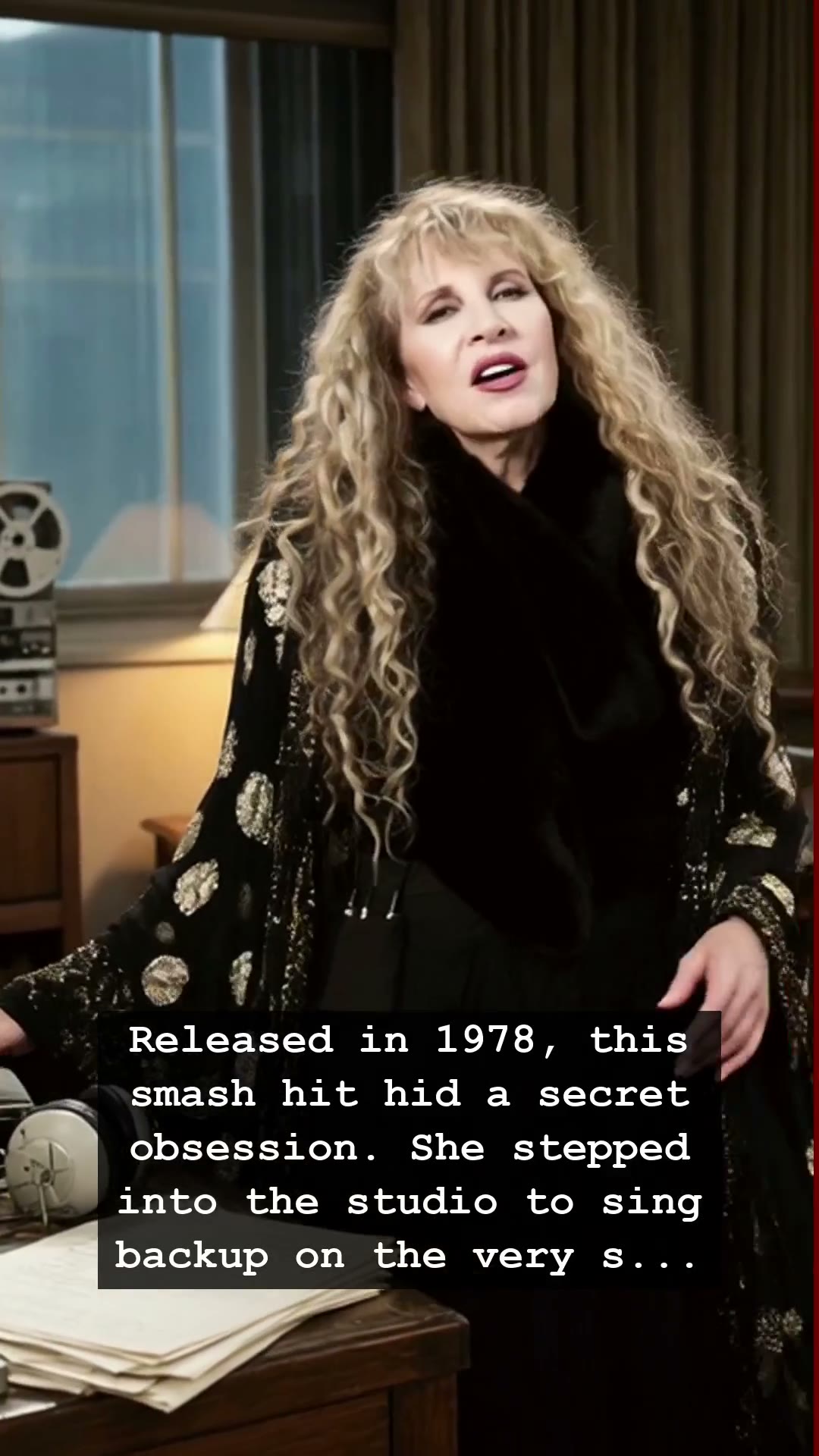
It was 1978, a year defined by the neon pulse of late-night discotheques and the rising dominance of the Walkman. Amidst the swirling haze of the California music scene, a haunting melody captured the airwaves: Magnet and Steel. While listeners were captivated by the track’s dreamy, ethereal atmosphere, few realized they were eavesdropping on an intense, unrequited obsession. The song was the brainchild of Walter Egan, but the true heartbeat of the track was a woman who stood right beside him in the studio—the legendary Stevie Nicks.
At the time, the air was thick with the romantic entanglements of Fleetwood Mac, a band whose internal drama was as famous as their platinum records. Walter Egan, a talented musician in his own right, found himself completely under the spell of Stevie Nicks. Their friendship was a complex tapestry of creative respect and unspoken longing. When Egan wrote Magnet and Steel, he wasn’t just penning a pop song; he was laying his heart bare, describing the sheer magnetism he felt whenever Stevie Nicks walked into a room. The lyrics, describing someone who is both a source of light and a force of nature, were a direct tribute to her intense allure.
What makes this story so fascinating—and perhaps a bit bittersweet—is the level of intimacy required to record it. Stevie Nicks did not just provide backup vocals; she stepped into the studio, fully aware that these words were a portrait of herself, and lent her iconic, raspy voice to harmonize with the man who was pining for her. Imagine the atmosphere in that booth: the tension, the unspoken history, and the professional veneer required to deliver a perfect performance while the man beside you sang about his yearning for your affection. It is a moment of raw, human vulnerability that you can hear if you listen closely to the layering of their voices.
This was the era of the high-flying rock star, where the lines between reality and performance were constantly blurred by the pressures of fame and the lingering haze of the seventies. For Walter Egan, the song became his signature, a permanent monument to a moment in time where his feelings for Stevie Nicks were immortalized on vinyl. For listeners, it became a soundtrack to their own loves and heartbreaks, a quintessential piece of the late seventies sound that still resonates with anyone who has ever loved from the sidelines.
Decades later, Magnet and Steel remains a testament to the power of unrequited emotion translated into music. It serves as a reminder of an era when rock legends weren’t just icons on a poster, but real people navigating the complexities of their hearts under the bright lights of the recording studio. When you listen to it today, you aren’t just hearing a classic pop track; you are hearing the echo of an obsession that Stevie Nicks helped bring to life. Does this haunting melody still pull at your heartstrings as it did all those years ago?