
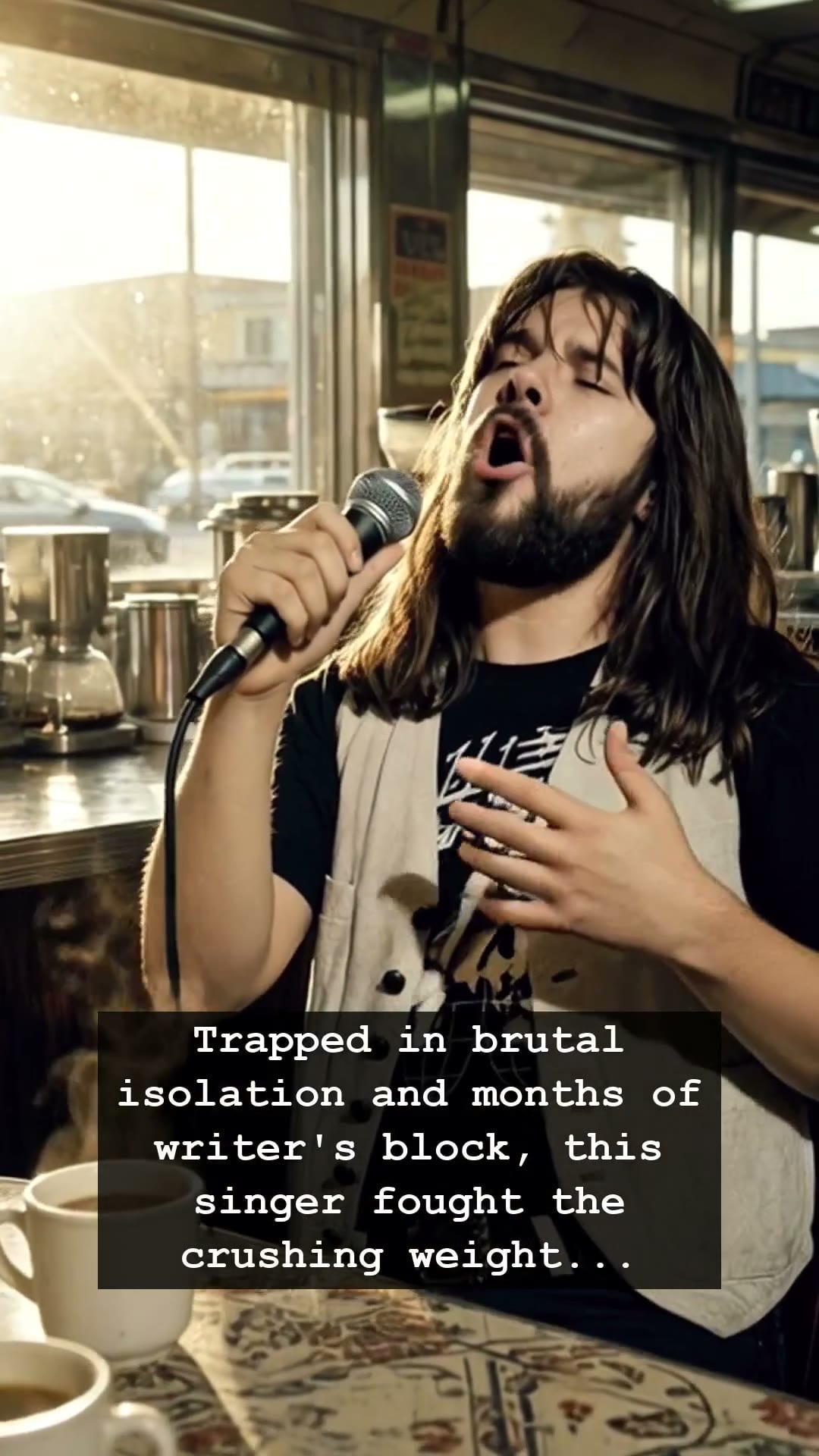
The year was 1980, and the world felt like it was shifting beneath the feet of every major artist. The disco era was gasping its final breaths at the glittering, cocaine-fueled altar of Studio 54, while the raw, analog soul of the seventies was being pushed aside by the cold, calculated synthesizers of a new decade. In the eye of this cultural hurricane stood Bob Seger, a man who had finally tasted the dizzying highs of fame after years of playing dive bars and dusty roadhouses. Yet, instead of celebrating at the peak, he found himself locked in a dark, suffocating cage of his own making, wrestling with a crippling writer’s block that threatened to dismantle everything he had built.
Fame is often portrayed as a golden ticket, but for Bob Seger, it felt more like a lead weight pulling him under. After the massive success of his previous records, the pressure to replicate that lightning in a bottle became a physical burden. He retreated into brutal isolation, staring at blank pages while the silence of his room screamed louder than any cheering stadium crowd. It was in this state of pure, unadulterated creative agony that he began to sift through the fragments of his past. He wasn’t just writing a song; he was performing an autopsy on his own youth, dissecting the dreams that had faded and the friends who had vanished along the highway of time.
Out of that darkness emerged the haunting, nostalgic anthem known as Against the Wind. It was a masterpiece of storytelling that captured the essence of the transition from the idealism of the Woodstock generation to the weary pragmatism of the early eighties. The track resonated instantly because it felt honest. Bob Seger didn’t try to hide the scars of his journey; he wore them like badges of honor. When he sang about the miles he had traveled and the bitter taste of regret, every listener who had ever felt the passage of time—whether they were jamming to their Walkmans or reminiscing by an old jukebox—felt like he was speaking directly to their souls.
There is a vivid, almost cinematic quality to the way the song builds, mirroring the exhaustion of a touring musician living out of a suitcase. You can almost smell the stale cigarette smoke of the backstage areas and the cold night air of the open road that defined the life of Bob Seger during those formative years. He managed to distill the universal experience of growing up and realizing that the wind of fate is rarely at your back. It is a rare talent to turn personal despair into a melody that provides comfort to millions, yet that is exactly what he achieved during those long, lonely nights.
Even today, the song remains a staple of American rock, serving as a time machine for anyone who remembers the era when music was still crafted by calloused hands and tired hearts. Bob Seger turned his moment of deepest doubt into a legacy that refuses to fade. As the echoes of his gravelly voice carry over the chorus, we are reminded that sometimes, the greatest art isn’t born from inspiration, but from the desperate, beautiful struggle to keep moving forward despite the howling winds of life. Do you remember where you were when those first chords hit the radio for the very first time?