
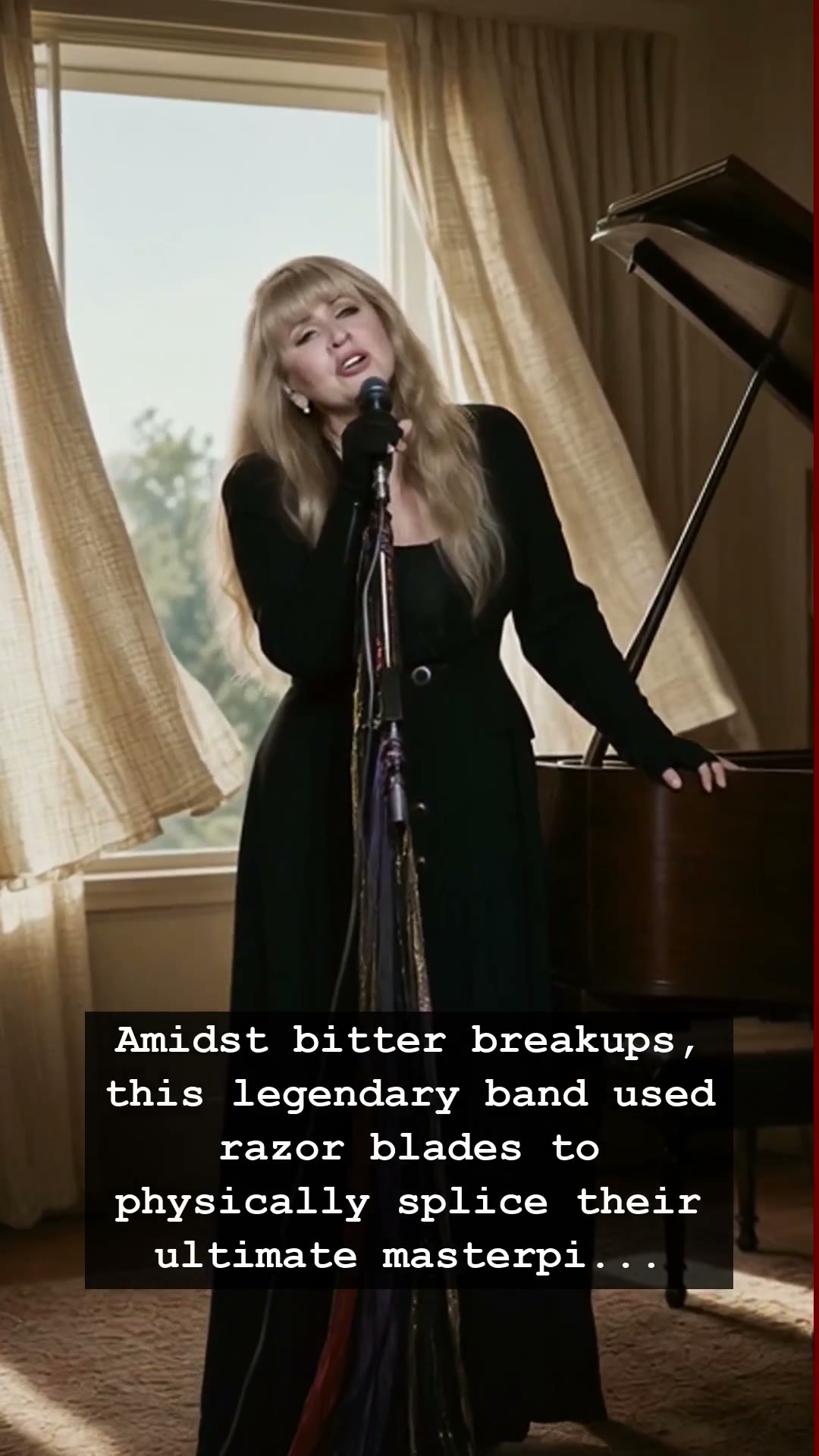
It was the mid-1970s, an era defined by the rise of the Walkman and the glitz of the burgeoning disco scene, yet inside the walls of Record Plant studios, something far more volatile was unfolding. Fleetwood Mac was not just a band; they were a pressure cooker of fractured hearts and illicit substances. The air in the recording booth was thick with the kind of tension that usually destroys a group before they can hit their first note. Yet, somehow, this chaotic landscape produced Rumours, an album that would define a generation of rock and roll. Behind the polished harmonies, the band members were essentially performing musical surgery with razor blades, physically slicing and splicing analog tapes to craft perfection from the remnants of their crumbling personal lives.
At the center of this storm was the creation of their definitive masterpiece, The Chain. While the world saw the band as a cohesive unit, the reality was a collection of ex-lovers and bitter rivals. Lindsey Buckingham and Stevie Nicks were trapped in a love affair that had turned into a toxic battlefield, while Christine and John McVie had stopped speaking entirely, communicating only through the cold professional necessity of the studio. This was the dark side of fame—a place where the creative process was fueled by resentment and the desperate need to drown out personal agony with the sheer volume of artistic genius.
Legend has it that the iconic bassline of The Chain was the only thing holding the members together. It served as a sonic anchor, a rhythmic tether that prevented the entire production from collapsing into total madness. Every time the band considered walking away, the weight of that composition demanded they return to their stations. The process was grueling and intensely intimate, requiring them to dissect their own heartbreak and turn it into gold. They were literally cutting the tape with razor blades, gluing together fragmented takes to build a song that felt seamless, all while the people they used to love stood just a few feet away in the same room.
This era of Fleetwood Mac represents the ultimate juxtaposition of beauty and dysfunction. The 1970s was a decade of decadence, and while other stars were chasing the neon lights of Studio 54, Fleetwood Mac was locked in a private war of attrition. Their resilience wasn’t born of friendship, but of a shared, obsessive dedication to the craft that transcended their personal grievances. They managed to trap their misery inside the grooves of a vinyl record, turning a collective nightmare into an enduring American legacy that millions still hum along to today.
Decades later, the legend of Fleetwood Mac continues to resonate because it feels dangerously human. We listen to the sharp, biting lyrics and the driving percussion, and we can still sense the jagged edges of the pain they experienced in that studio. It reminds us that some of the greatest music ever made wasn’t born in a place of peace, but forged in the fires of absolute heartbreak. Whenever you drop the needle on their records, remember that those harmonies were paid for with a heavy, personal toll that only true legends are willing to endure.