
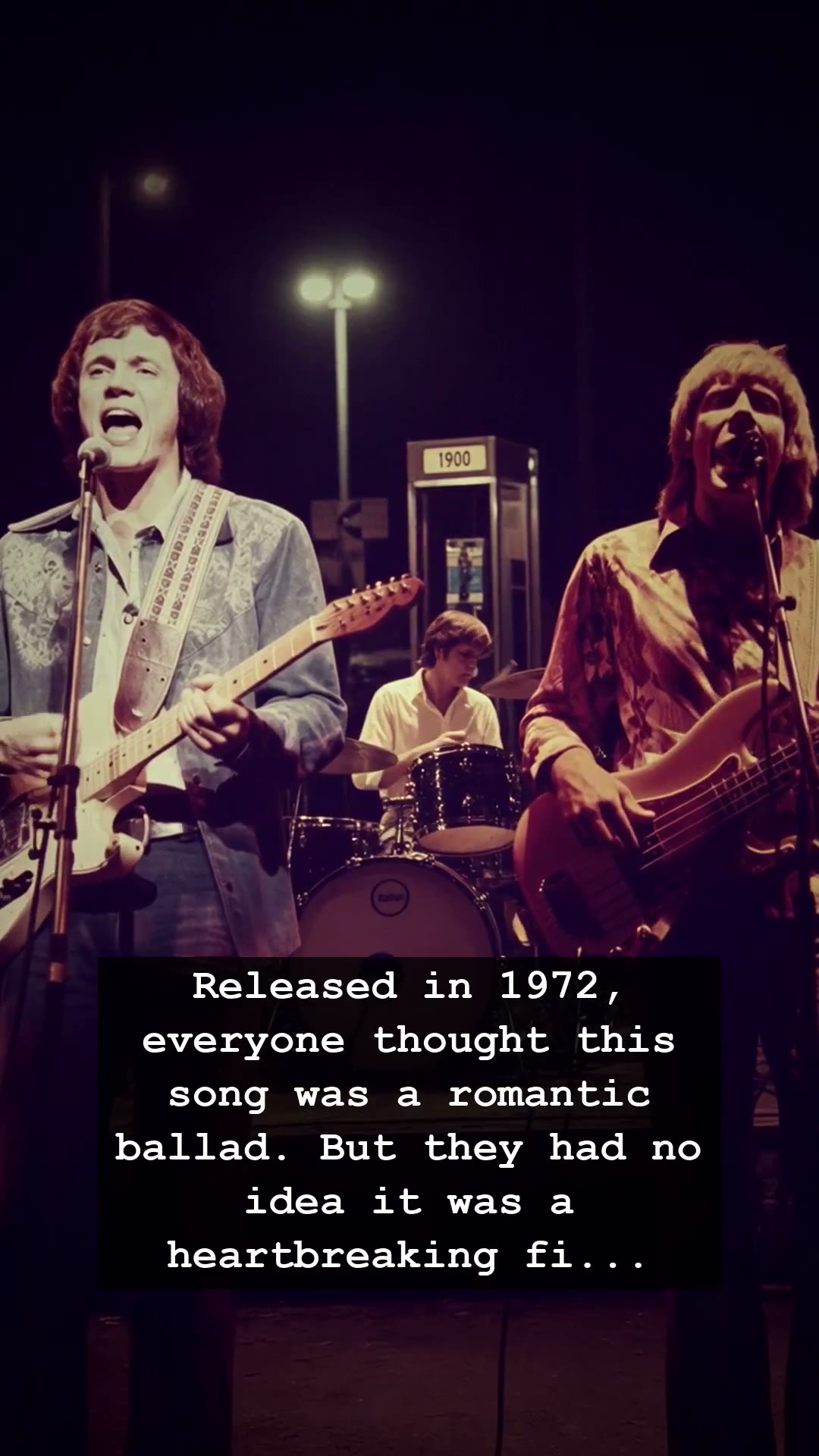
In the early 1970s, the soft rock sound of Bread dominated the airwaves, filling living rooms and car stereos alike with a mellow, melodic comfort. Among their most beloved tracks was a 1972 hit that became a staple of slow dances, wedding playlists, and late-night radio shows. To the millions of listeners who heard it pouring out of their wooden-cased home speakers or drifting through a handheld Walkman, it felt like the ultimate declaration of romantic devotion. It was soft, it was sincere, and it felt like a love letter set to music. But beneath the silky production and the smooth harmonies of David Gates lay a story that was never about a lover at all.
While the public projected their own romantic longings onto the song, David Gates was navigating a much deeper, more internal landscape. For years, listeners assumed the lyrics were crafted for a woman, perhaps a lost flame or a lifelong partner. In reality, the song served as a poignant, devastating tribute to his late father. The gentle cadence and the yearning tone were not meant to entice a partner, but to reconcile the grief of a son losing his primary influence. It is a striking example of how the mid-70s soft rock era often masked profound emotional turmoil with polished, radio-friendly aesthetics.
This revelation transforms the song from a standard pop ballad into something far more visceral. Understanding that David Gates poured his bereavement into these notes changes the way the melody hits the ear. It serves as a reminder that the artists who defined the soundtrack of our lives during the golden age of AM and FM radio were often grappling with their own private tragedies behind the scenes. In the era of velvet blazers and the rising dominance of the studio recording industry, the perfection of a track often hid the fractured reality of the person behind the microphone.
David Gates was a master of capturing universal feelings, which is precisely why the song resonated with so many, even when they misunderstood its intent. He tapped into a frequency of loss that felt familiar to anyone who had ever loved and said goodbye. Even without knowing the origin, audiences instinctively felt the weight behind the lyrics. That is the hallmark of a true classic; it transcends the specific biographical details to become a vessel for the listener’s own memories and heartaches.
Today, when we look back at the legacy of Bread, we see a band that defined an aesthetic of warmth and accessibility. Yet, it is the hidden scars that give their music its enduring power. Whether it was the pressure of the charts, the relentless touring, or the personal shadows that followed even the most successful artists of the time, the truth behind this hit reminds us that every classic song is a survivor. The next time you hear those familiar opening chords, listen closely. You are not just hearing a 1972 relic; you are listening to a son’s quiet, eternal goodbye, finally understood after all these years.