
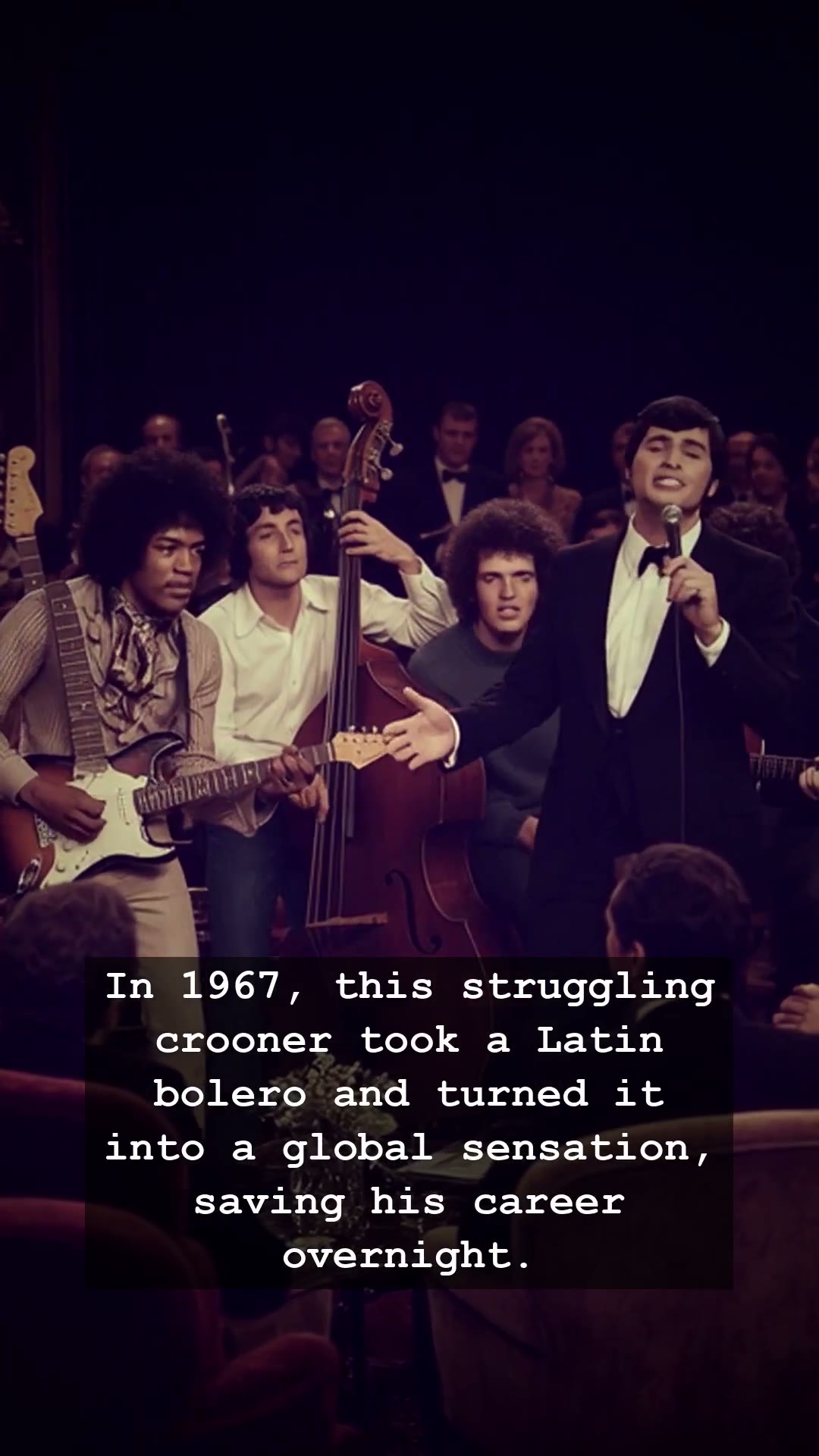
It was 1967, and the music landscape was shifting beneath our feet. While the Summer of Love was turning the youth toward psychedelic rock and the counterculture was brewing at Woodstock, a struggling club singer named Gerry Dorsey was staring into the abyss of a failed career. He had spent years playing the backrooms of smoky London lounges, a forgotten voice in a sea of changing trends. But then came a radical reinvention. He dropped the name Gerry Dorsey, adopted the moniker Engelbert Humperdinck, and took a gamble on a romantic, sweeping Latin bolero that would defy the era’s shifting tides and crown him a global superstar overnight.
The song was Release Me. At the time, the airwaves were becoming dominated by the experimental sounds of the late sixties, yet there was still a desperate, beating heart for the classic crooner. Engelbert Humperdinck did not just sing the track; he inhabited the soul of a man caught in the agony of a love that had long since faded. With his lush, velvet-toned baritone, he transformed the bolero into an international adult contemporary masterpiece. It was a bridge between the elegance of the past and the commercial intensity of the modern chart-topping era, proving that a raw, emotional ballad could still shatter the dominance of rock and pop.
That year, the hit blocked the Beatles’ Penny Lane from reaching the number one spot in the UK, a moment of irony that felt like a seismic shift in pop culture history. People were still gathered around their radios and jukeboxes, waiting for that next great swell of strings and longing. Engelbert Humperdinck became the face of a romantic resurgence. He was the man who kept the old-school flame burning even as MTV was decades away from changing how we consumed music. He represented the enduring power of the performer who relies solely on the depth of his voice rather than the grit of a guitar riff.
Yet, the life of a chart-topping crooner was never as simple as the velvet suits and stadium lights suggested. The pressure to sustain such a sudden meteoritic rise was immense. Behind the scenes, Engelbert Humperdinck navigated a world of intense scrutiny, shifting industry expectations, and the relentless grind of non-stop touring. He survived the transition from the golden age of lounge acts to the high-gloss production of the seventies, eventually becoming a fixture of the Las Vegas scene. His ability to connect with an audience was primal; he knew how to project vulnerability in a way that made every woman in the room feel like she was the only person he was singing to.
Looking back at that golden year of 1967, the story of Engelbert Humperdinck serves as a reminder of how quickly the tides of fame can turn. He took a Latin bolero and turned it into an anthem for the broken-hearted, proving that even in a world obsessed with the new, there is always room for a voice that speaks the truth of the human condition. Decades later, his music still echoes in the quiet corners of our memories, reminding us of a time when a song could truly capture the world in a heartbeat.