
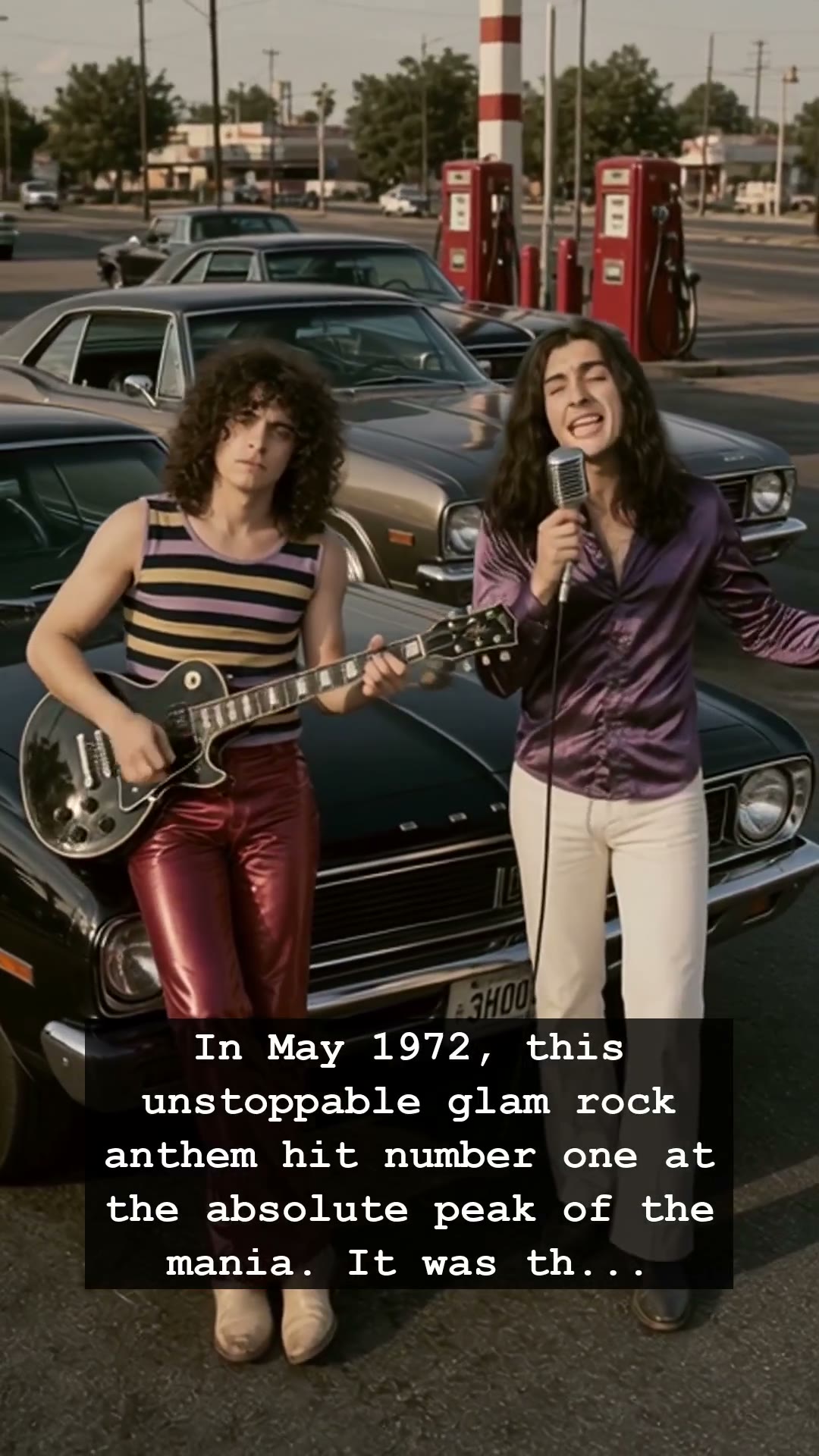
In May 1972, a glitter-drenched, high-voltage anthem tore through the airwaves, claiming the number one spot and cementing a cultural fever dream known as T. Rex mania. It was a time when platform boots hit the pavement, glitter dust became the universal uniform, and the screeching guitars of Marc Bolan defined the very essence of cool. For a brief, incandescent moment, the world belonged to Bolan and his band, T. Rex. Fans wept in the streets, teenage hearts raced at the mere mention of their name, and the charts bowed before their sonic glitter. Yet, beneath the sequins and the electric stage presence, the clock was already ticking on a legacy that was destined to burn out far too quickly.
Looking back at that spring, it feels like a fever dream. The era of T. Rex was defined by an explosion of personality that mirrored the chaotic energy of the early seventies. As the band climbed the charts, they were essentially inventing a new visual language. Marc Bolan was the charismatic architect, a man who transformed from an acoustic folk singer into a strutting, cosmic rock star who seemed to tap into something otherworldly. But as any historian of the era knows, the higher the climb, the more jarring the descent. That number one hit in 1972 served as the absolute zenith of their reign, yet it was also the final time the band would stand at the very peak of the mountain before the inevitable shift in musical tides began.
The industry was changing rapidly. The raw, primal stomp of T. Rex was starting to face stiff competition from the rise of more complex progressive sounds and the burgeoning influence of massive arena rock acts. Within the smoke-filled studios and the glitzy parties, the pressure of fame began to erode the foundations of the group. T. Rex was more than just music; it was a lifestyle that demanded total devotion, and the toll it took on Bolan was immense. It was a classic tale of rock and roll excess, where the lines between the persona and the person blurred until they were indistinguishable, leading to internal fractures that would never fully heal.
Today, listening to their records feels like opening a time capsule buried in the debris of the decade. The influence of T. Rex persists in the DNA of every artist who understands that rock and roll is as much about the spectacle as it is about the hook. Their sound was a bridge between the rebellion of the sixties and the polished, theatrical explosions of the glam era. While they may have faded from the top of the charts, the resonance of their biggest hits remains undiminished. It is a reminder of how quickly the world moves on, yet how certain sounds anchor us forever to the past.
We often romanticize the era of vinyl, jukeboxes, and the first flickering images on MTV, but the true story of T. Rex is a human one. It is a story about the fragility of stardom and the fleeting nature of cool. Bolan may be gone, but every time those iconic guitar riffs hit the speakers, we are transported back to 1972, if only for a few minutes. Do you remember where you were when the glitter finally started to settle?