
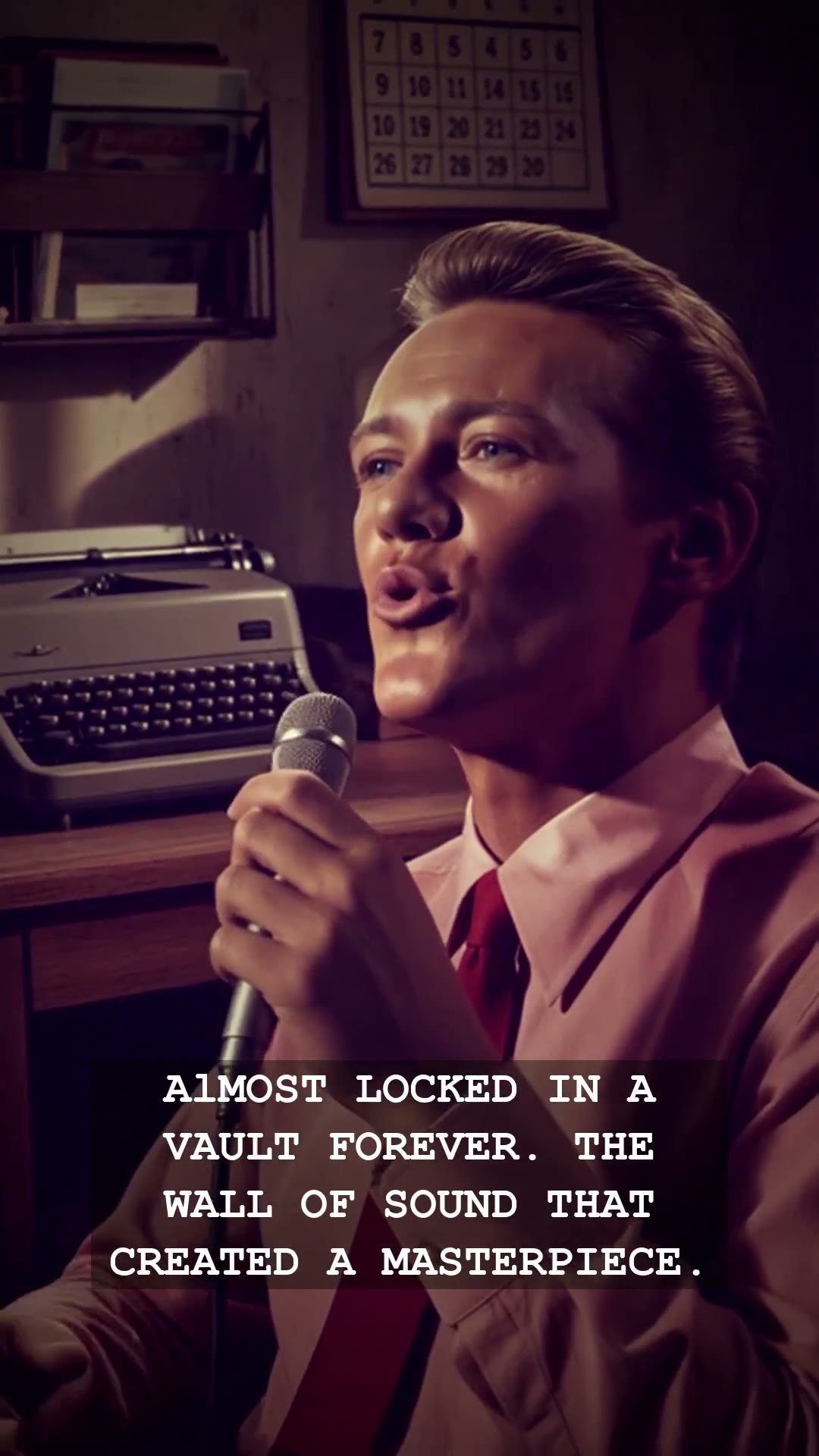
Imagine the year is 1964. You are sitting in a dimly lit booth at a local diner, the air thick with the scent of coffee and hairspray, while the iconic hum of a Jukebox flickers in the background. Suddenly, a baritone voice cuts through the static, deep and soul-shattering, followed by a soaring tenor that feels like a desperate plea to the heavens. You are listening to The Righteous Brothers, but back then, the world almost never heard this anthem. The song was You’ve Lost That Lovin’ Feelin’, a masterpiece that was inches away from being locked in a cold, dark vault forever, forgotten by time and industry suits who simply did not understand its operatic weight.
Phil Spector, the eccentric and volatile producer, was obsessed with his Wall of Sound, a technique that layered instruments until the music felt like a physical force. When The Righteous Brothers delivered this track, radio executives were horrified. It was too long, the tempo was too slow, and it defied the snappy pop sensibilities of the early sixties. They told Spector it would never sell, urging him to shelve it. Yet, underneath the surface of this business tug-of-war, there was a raw, aching truth that Bill Medley and Bobby Hatfield had captured in the studio. It was a song born from late-night tensions and the immense pressure of a music industry that was rapidly shifting beneath their feet.
What made the situation so dramatic was the internal struggle of the duo. Bill Medley, with his gravelly, deep resonance, and Bobby Hatfield, with his angelic, glass-shattering range, were essentially two different worlds colliding. Their chemistry on stage was electric, yet the recording process was notoriously grueling under Spector’s perfectionist tyranny. They spent countless hours in the studio, sweating out every note, fighting for a sound that felt honest. They knew they were onto something revolutionary, but the powers-that-be were ready to bury the tape, effectively silencing one of the greatest vocal pairings in American history.
When it finally hit the airwaves, the impact was seismic. It didn’t just climb the charts; it dominated them, eventually becoming the most played song in radio history. The song’s legacy isn’t just in its melody, but in its survival. It represents that golden age of soul and blue-eyed R&B, a time when a song could truly change the emotional landscape of a generation. Decades later, whether you hear it on a dusty vinyl record or through the lens of a classic movie, it still hits with that same heartbreaking urgency.
Looking back, it is impossible to imagine a world without this haunting, grand production. The Righteous Brothers taught us that the greatest art often comes from the most difficult circumstances. Their voices remain a testament to a bygone era of music, where emotion was everything and a single song could hold enough power to stop time itself. Next time you drop the needle on this track, listen closely to the cracks in their voices—that is the sound of a history that almost vanished, saved by the sheer brilliance of a masterpiece that refused to be forgotten.