
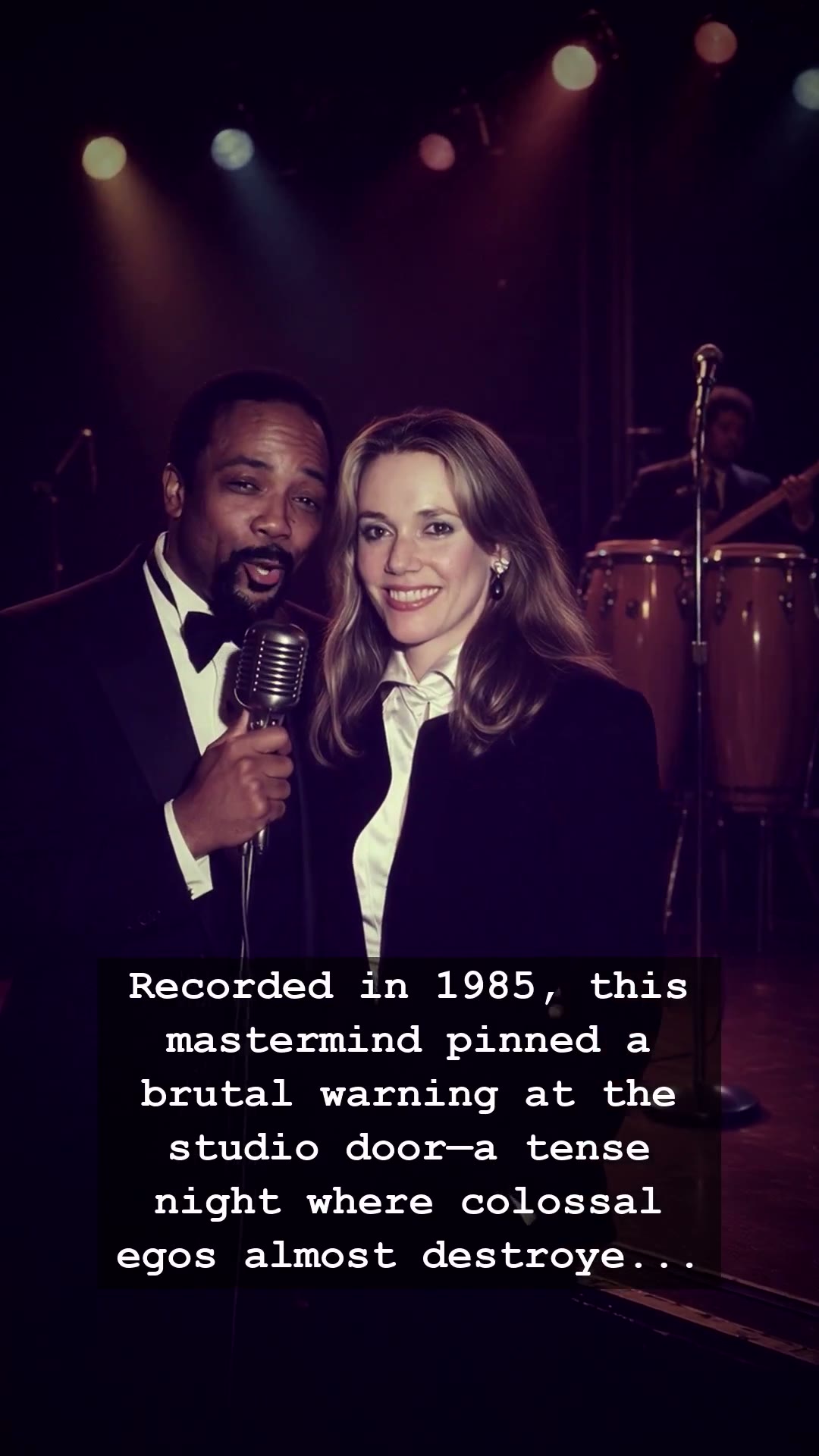
The year was 1985, an era defined by the crackle of vinyl and the rapid rise of MTV. Inside A&M Studios in Hollywood, the air was thick with tension that had nothing to do with the music itself. Forty-six of the biggest names in American music had gathered under one roof, summoned by a humanitarian mission that would eventually become the anthem We Are The World. Yet, as the recording session dragged into the early hours of the morning, the atmosphere began to sour. The room was packed with colossal egos, each star accustomed to being the sole focal point of their own universe. As fatigue set in and tempers flared, the creative vision began to fracture, threatening to turn a monumental cause into a public relations disaster.
It was then that the legendary Quincy Jones took charge. Known for his unflappable demeanor and unparalleled ear for production, Quincy Jones understood that he was not just directing a choir; he was managing a powder keg of celebrity. To save the project, he famously pinned a brutal, handwritten sign to the studio door: Check Your Egos at the Door. It was a bold, confrontational move that cut through the Hollywood vanity. For a group of people used to the red carpet and the roar of sold-out arenas, this simple command acted as a grounding force, stripping away the celebrity facade and forcing every artist to focus on the melody and the message.
This pivotal moment remains one of the most fascinating behind-the-scenes stories in the history of pop music. Quincy Jones was the only producer with enough clout and genuine respect to pull off such a stunt without causing a walkout. Watching the footage today, you can still feel the palpable shift in the room once that sign was posted. The legends, from Bruce Springsteen to Cyndi Lauper, momentarily forgot their charts and status, leaning into the vulnerability of the track. It was a masterclass in leadership, a rare glimpse into how the sausage of history is made when legends collide in a confined space.
Beyond the drama, the story of this session encapsulates the spirit of the eighties. It was a time when pop music still felt like a grand, communal experience, long before the digital fragmentation of the streaming age. The success of the project proved that Quincy Jones was more than just a talented musician; he was a cultural architect. He knew that to move the world, he first had to manage the humans behind the microphones.
Even decades later, this story resonates because it reminds us that even the most perfect art is often born from the friction of human personality. We look back at these icons with rose-colored glasses, forgetting that they were, and are, flawed individuals. Next time you listen to that haunting chorus, remember the quiet intensity of that night in 1985 and the sign that kept the music from collapsing into chaos. It serves as a testament to the magic that happens when ego is set aside for something far greater than one individual voice.