
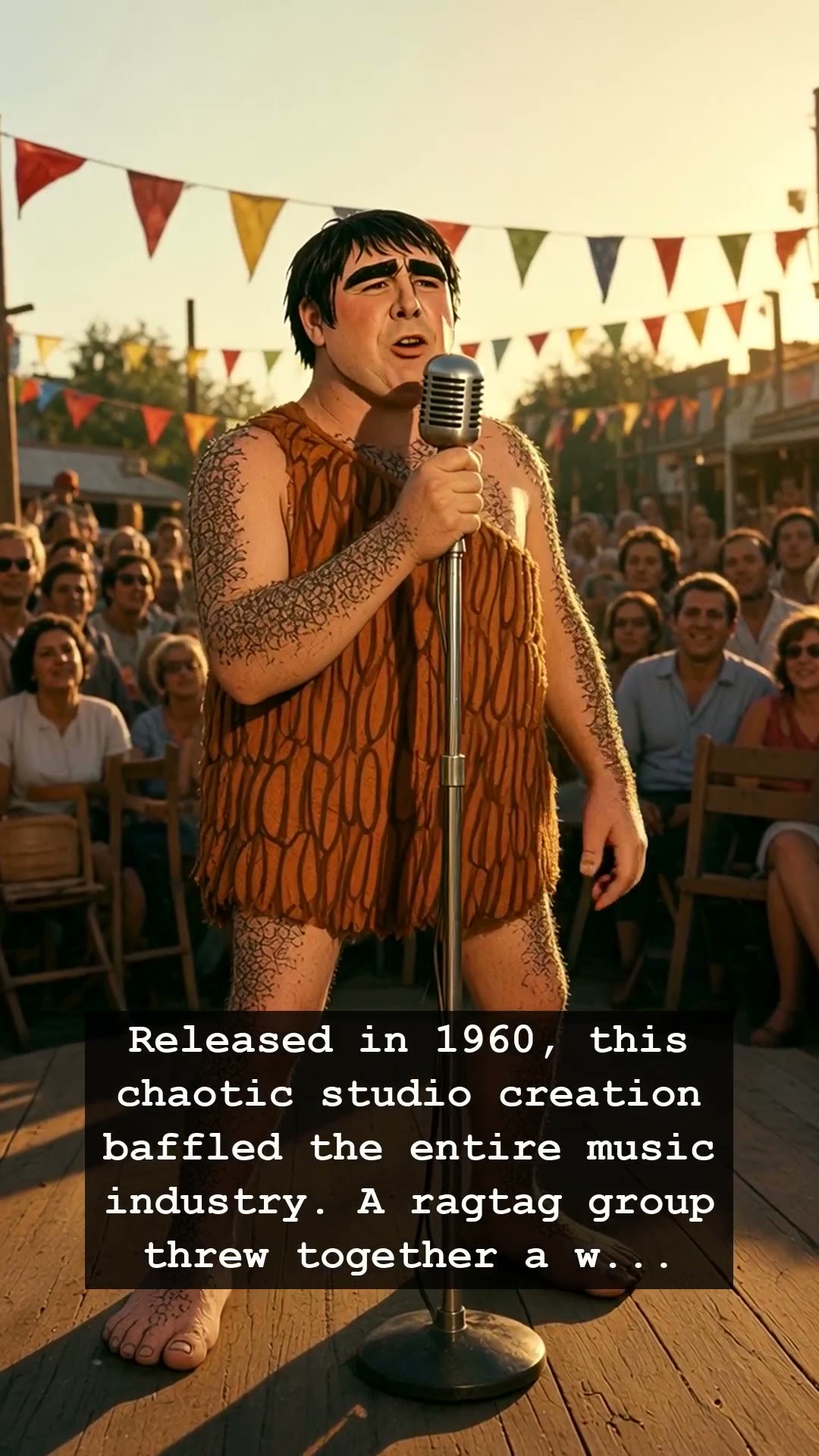
Imagine walking into a smoke-filled, cluttered recording studio in 1960. You aren’t a star, you aren’t a seasoned band, and you certainly don’t have a record deal. Yet, within a few short hours, you have accidentally birthed one of the most baffling, infectious novelty anthems in rock and roll history. This is the wild, unscripted story of The Hollywood Argyles, a group that existed more as a fever dream of studio mischief than a legitimate musical outfit. Their hit, Alley Oop, was a bizarre collision of sound that managed to paralyze the music industry and capture the ears of a generation glued to their radio dials and local jukeboxes.
At the center of this hurricane was Gary Paxton, a producer with a penchant for chaos. The Hollywood Argyles weren’t a band in the traditional sense; they were a ragtag collection of musicians and friends gathered on a whim. The track itself was a frantic, high-energy recording that felt like a chaotic party captured on magnetic tape. Music executives were initially stunned, unsure if the song was a stroke of genius or a complete disaster. It defied every conventional rule of the early sixties, favoring a raw, slapdash aesthetic that contrasted sharply with the polished pop acts of the era.
When Alley Oop hit the airwaves, it shattered expectations with an intensity that left chart-toppers scrambling. The song, inspired by a popular comic strip, became an anthem for teenagers who craved something different from the standard crooners of the day. For those who grew up in the shadow of post-war optimism, The Hollywood Argyles represented a fleeting moment of pure, unadulterated absurdity. It was the kind of record that made you stop what you were doing, turn up the volume on your dashboard, and wonder just what on earth you were listening to.
The success of The Hollywood Argyles remains a fascinating case study in the unpredictability of the recording industry. It serves as a reminder that behind the velvet curtains of the golden age of music, some of the most enduring hits were born from nothing more than a wild idea and a bit of luck. The group didn’t tour in the way the superstars of the later Arena Rock era would, nor did they have the backing of major labels that controlled the airwaves during the heyday of Motown. They were a lightning strike in a bottle, a testament to the magic that happens when artists stop overthinking and start simply playing.
Even today, listening to the crackling energy of their tracks brings back the spirit of a time when the Jukebox was the heartbeat of every diner. The Hollywood Argyles remind us that music doesn’t always need to be serious to be significant. They carved out their own space in history, proving that even a chaotic studio prank can become a legend. Do you still remember the way the drums kicked in? It is a sound that defined an era, a chaotic masterpiece that refuses to fade away.